When you are looking for a phone case manufacturer, there are usually two options: OEM and ODM. Most factories in this industry use one of these two methods for production.
If your company plans to develop a new phone case, then you need to understand the differences between them. Choosing the right partner will help you save costs and ensure that your project can be launched smoothly.
In this post, we will explain the basic knowledge of OEM and ODM, as well as their differences, so that you can choose the most suitable solution for your brand or wholesale business.
What is OEM?
Table of Contents
ToggleWhat Does OEM Stand For?
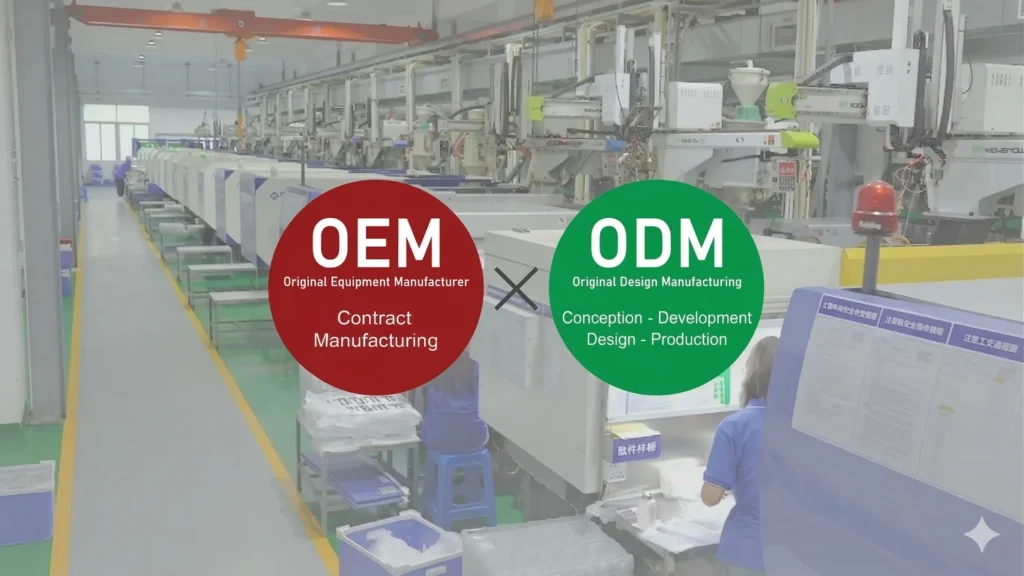
OEM stands for “Original Equipment Manufacturer“. In the mobile phone case industry, this is often referred to as “contract manufacturing”.
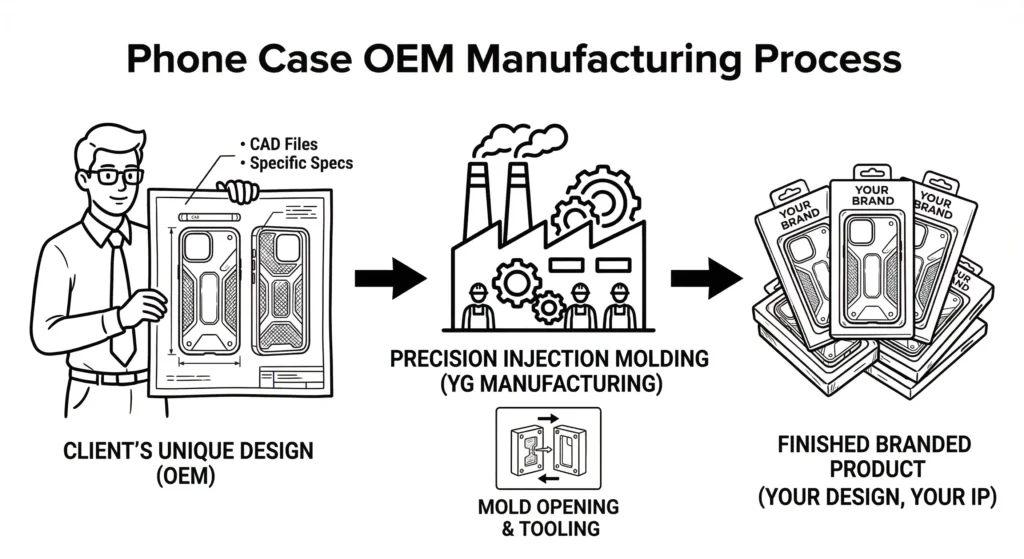
Under the original equipment manufacturer’s cooperation model, the brand owner or purchaser is responsible for providing the design, materials, and specific requirements for the phone case. At the same time, the manufacturer is responsible for the actual production work. In simple terms: You design it, and we manufacture it.
Advantages of OEM
Choosing the OEM model offers several benefits for established brands:
Total Design Control: You have 100% control over the look, feel, and features of the phone cases.
Unique Branding: Since the design is yours, your product will stand out from competitors. No other brand will have the same case.
IP Ownership: You own the intellectual property (IP) and the custom molds. This protects your unique ideas in the market.
Quality Standards: You can set your own quality check (QC) standards to ensure the final product meets your brand’s reputation.
Disadvantages of OEM
While OEM is great for customization, it has some challenges:
Higher Startup Costs: You usually need to pay for mold development (tooling) fees upfront, which can be expensive.
Longer Lead Time: It takes more time to design, create a prototype, and test a new mold before mass production starts.
More Responsibility: Your team must handle the R&D and design work, which requires time and expertise.
What is ODM?
What Does ODM Stand For?
ODM stands for “Original Design Manufacturing“. In this model, the manufacturer is not only responsible for production but also for design and engineering work.
There are two ways ODM works:
Choose an existing design: You can directly select a mobile phone case from the factory’s product catalogue and add your logo.
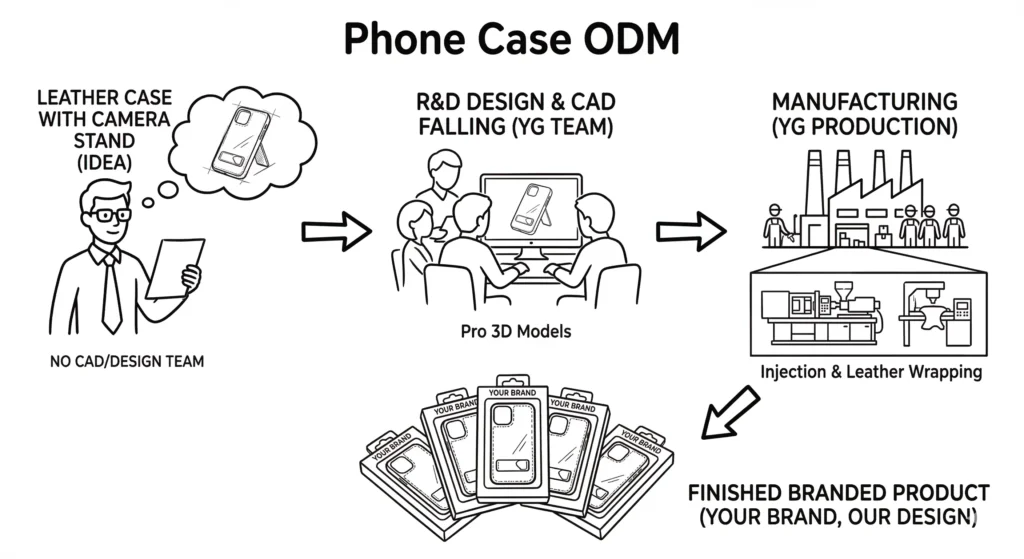
Turning an Idea into a Product: This is where partners like YG come in. If you have an excellent idea for a new phone case but no design team, we can help. Our R&D team will transform your concept into a professional and manufacturable design.
In simple terms: You provide the idea, and we handle the design and production.
Simply put: You bring the idea, and we handle the design and the manufacturing.
Advantages of ODM
ODM is a popular choice because:
Professional R&D Support: You don’t need to hire expensive designers or engineers. You can utilize the professional team of the manufacturer to ensure that your ideas can truly function in reality.
Faster Time-to-Market: Since the manufacturer has mastered the production process of phone cases, they can convert your ideas into finished products at a faster speed.
Lower Costs: You can save on expenses in design and research. Moreover, if you adopt an existing design, you don’t have to pay the high cost of mold manufacturing.
Proven Quality: The factories use designs that have already been tested, so you can be completely assured that these phone cases can fit perfectly with the phones.
Disadvantages of ODM
Less Uniqueness: If you pick a design from a catalog, other brands might sell the same case.
Limited Customization: You can’t always change every detail of an existing design.
Design Ownership: Usually, the manufacturer owns the design rights unless you have a special agreement.
How does ODM differ from OEM?
To help you choose the best path, let’s look at the main differences between OEM and ODM. While both produce a high-quality phone case, the processes and costs differ.
Comparison Table: OEM vs. ODM
| Feature | OEM (Original Equipment Manufacturing) | ODM (Original Design Manufacturing) |
| Design Ownership | You own the design and the mold. | The manufacturer usually owns the design. |
| Who Designs? | You provide the full 3D designs. | The manufacturer provides design or helps turn your idea into one. |
| Customization | Total. Every detail is made to your specs. | Moderate. Based on factory styles or your specific ideas. |
| Startup Cost | Higher. You pay for a custom mold opening. | Lower. Fewer upfront costs for design and tooling. |
| Development Time | Longer. Needs more time for testing. | Faster. Quicker to start mass production. |
Key Differences Explained
Design and R&D Responsibility: Under the OEM model, the brand owner is responsible for all the design work. While in the ODM model, the manufacturer will undertake this responsibility on your behalf. If you have excellent product ideas but do not have an engineering team to make them “feasible for mass production”, then this model is the best choice.
Cost and Risk: The OEM model requires a larger investment because you need to start the product development from scratch. While the ODM model has a lower risk of entering the market, the manufacturer will use its own technical expertise to ensure the design is feasible before it invests in large-scale production.
Manufacturing Case Studies: Real-World Examples
Here is how these two models work in real life:
Case Study 1: The OEM Model (For a Global Brand)
A global electronics brand with a large internal R&D team needed a new series of premium cases. They provided the manufacturer with finished 3D files and exact material requirements.
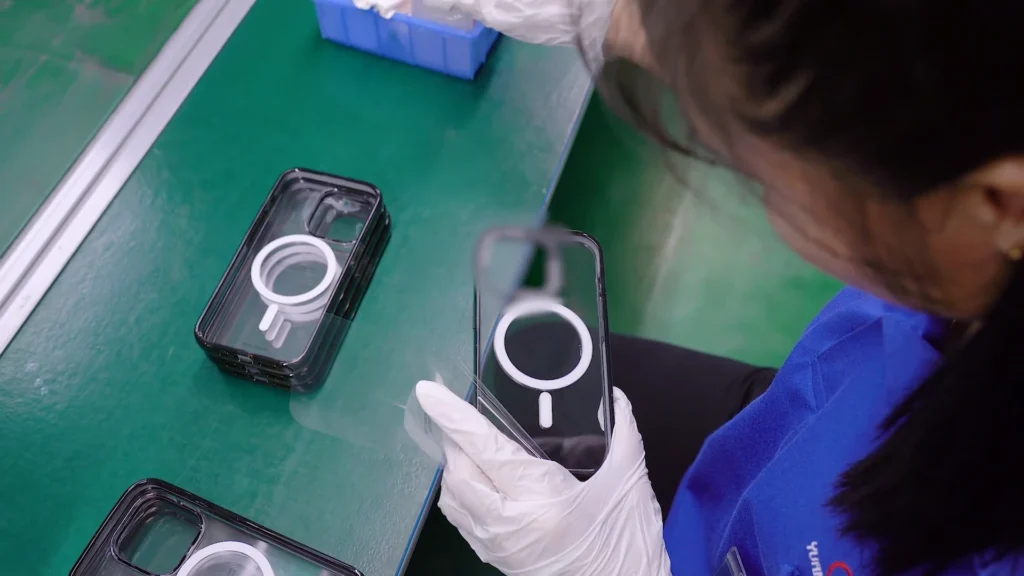
The Process: YG used high-precision injection molding to build the cases exactly as the brand designed them.
The Result: The brand maintained 100% control over the unique design, and the factory handled the high-volume production.
Case Study 2: The ODM Model (For a Creative Startup)
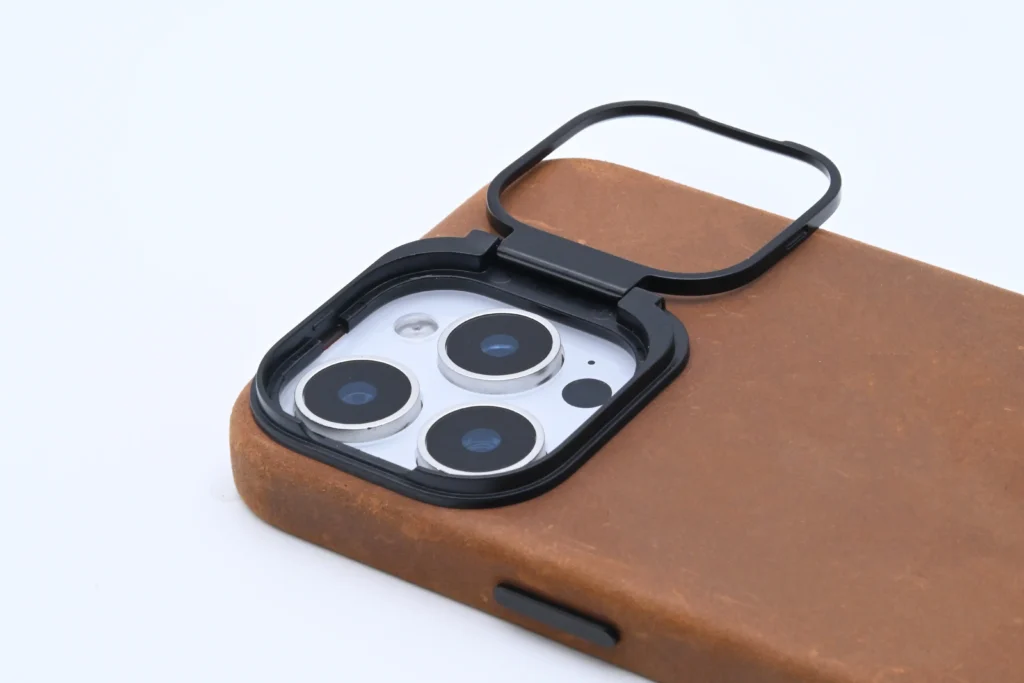
A startup company had a unique idea: they wanted to create a leather phone case with a camera stand. They knew what they wanted the product to do, but they didn’t have the technical drawings or a design team.
The Process: They brought this idea to the manufacturer’s R&D team. YG factory’s engineers turned that idea into a professional, manufacturable design, handling everything from the leather sourcing to the stand’s mechanical parts.
The Result: The startup launched a high-end, functional product in a short time without needing to hire its own designers.
When to Choose an OEM or ODM Supplier?
Choosing between OEM and ODM depends on your business goals, your budget, and how much design work you want to do. Here are some specific suggestions to help you decide:
Choose OEM If:
You Have a Unique Design: If you have already created a 3D design for a phone case that looks like nothing else on the market, OEM is your best choice.
You Want Full IP Ownership: If you want to own the design and the custom molds so that no one else can sell the same product, choose OEM.
You Are an Established Brand: Large brands often choose OEM because they have their own R&D teams and want to maintain a very specific brand image.
You Have a Higher Budget: OEM is better if you are ready to invest in mold development fees upfront for a long-term profit.
Choose ODM If:
You Have Ideas but No Design Team: If you know what kind of case you want (for example, a leather case with a camera stand) but don’t know how to draw it, ODM is perfect. A manufacturer like YG can turn your idea into a real product.
You Want to Start Fast: If you need to get your products onto shelves or online shops in a few weeks, ODM allows you to skip the long design and testing phase.
You Are a Startup or Small Wholesaler: If you want to save money on design and research, using a manufacturer’s existing designs is a smart, low-risk way to start.
You Want to Test the Market: If you have a new concept and want to see if customers like it before spending a lot of money on custom molds, ODM is the best “trial” method.
Conclusion
Whether you choose OEM or ODM depends on your specific business goals. OEM offers total control and uniqueness, while ODM offers speed, professional design support, and lower startup costs.
At YG, we provide both professional OEM and ODM services. With our powerful R&D team and high-end injection molding equipment, we can take any project—from a simple blueprint to a creative idea—and turn it into a high-quality product.
FAQ
1. What is the MOQ for OEM phone cases?
The Minimum Order Quantity (MOQ) for OEM is usually higher because we create a custom mold. It typically starts from 1,000 to 3,000 units per model.
2. How much does a custom phone case mold cost?
The mold-making cost depends on the complexity. A standard case is more affordable, while a multi-material case or one with complex moving parts costs more.
3. How long does the manufacturing process take?
ODM orders usually take 2–3 weeks. OEM projects take longer—about 20–30 days for mold development and 15 days for production.
4. Can I get a prototype before starting? Yes. We provide 3D printed samples or CNC prototypes so you can check the fit and function before we start the final injection molding.
5. Can I use my own logo on an ODM case?
Yes. You can pick a design from our catalog, and we will add your logo using professional printing or engraving techniques.