The global phone accessories market is projected to surpass $100 billion in the coming years — and phone cases remain one of its highest-volume, highest-margin product categories. For brand owners, procurement managers, and wholesale buyers, material selection is not a cosmetic decision. It determines unit economics, drop-test performance, customization ceiling, and brand perception at retail.
This guide cuts through the noise. Whether you’re sourcing 10,000 TPU cases for a budget retail chain or developing a premium aramid fiber line for a tech-forward brand, understanding the best material for phone case production — across protection, cost, and branding — is the foundation of a sound procurement strategy.
Why Phone Case Material Matters for Protection, Cost, and Branding
Table of Contents
ToggleThe Mechanics of Device Protection
Materials fall into two distinct mechanical categories:
- Energy-absorbing materials — flexible polymers like TPU and silicone that deform on impact to dissipate force
- Energy-deflecting materials — rigid substrates like polycarbonate and metal that distribute force laterally across the case structure
The best phone case materials for protection combine both mechanisms. A rigid outer shell distributes impact energy; a flexible inner layer absorbs what remains.
Factory Insight: Always require MIL-STD-810G drop test certification from your supplier. This U.S. military standard tests across multiple drop angles, surface types, and heights — and it’s the benchmark serious OEM buyers should reference in every RFQ.
How Material Choice Drives Bulk Order Economics
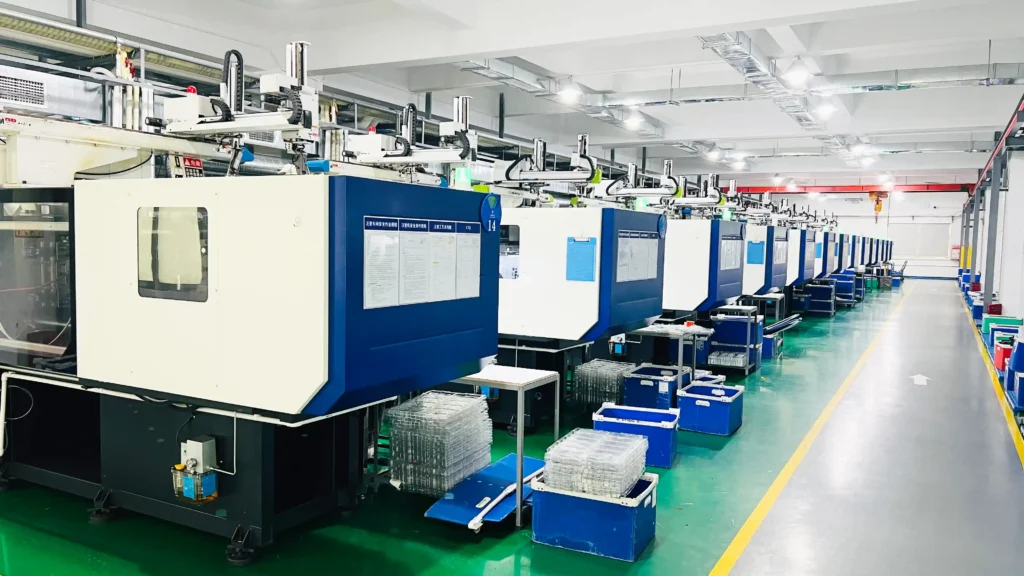
Material selection is the single largest driver of unit cost variability. General-purpose silicone compounds can be molded at an extremely low cost per unit. Genuine aramid fiber (Kevlar) weaving and layup, by contrast, is labor- and material-intensive — commanding a significant price premium.
For phone case material for bulk orders, the four critical cost factors are:
- Raw material pricing per kilogram
- Tooling amortization across MOQ
- Cycle time per injection shot
- Secondary process requirements — printing, coating, and assembly
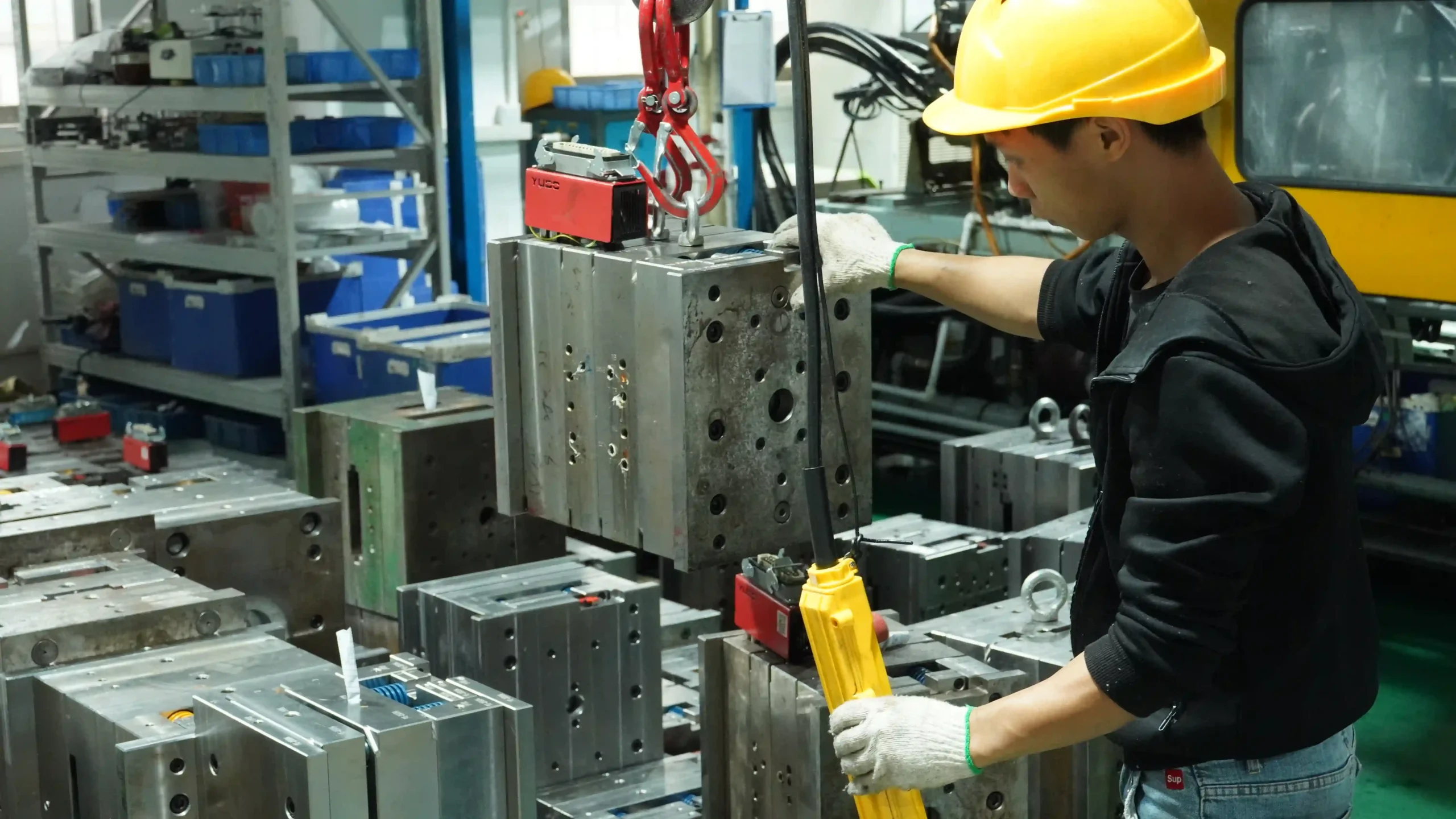
A manufacturer running high-precision CNC-machined steel molds on a 72-cavity hot runner system delivers dramatically different economics than one using soft aluminum tooling.
Material as a Brand Signal
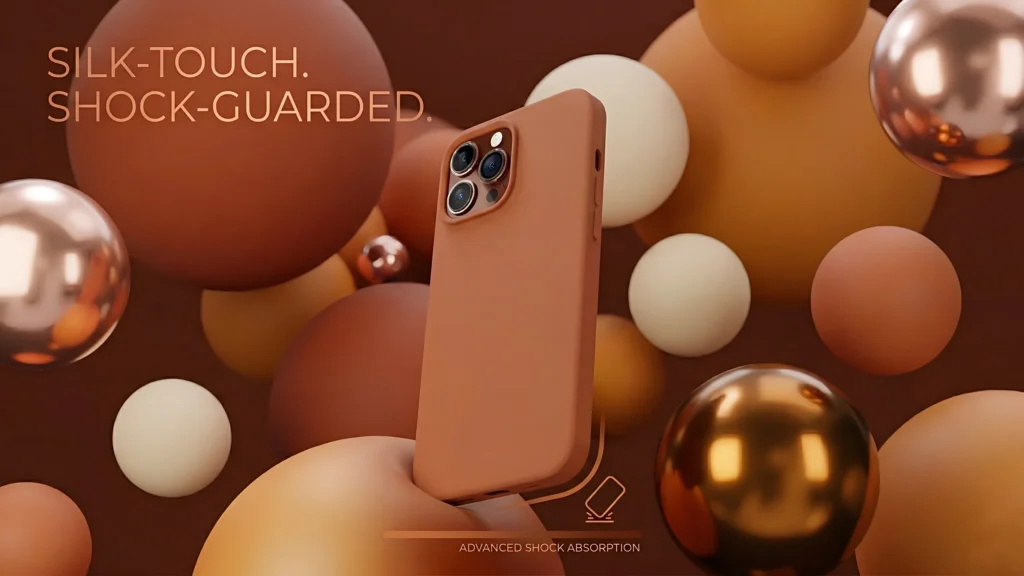
Haptics matter more than most procurement teams acknowledge. A soft-touch matte TPU finish communicates a fundamentally different brand story than a glossy hard PC case or a full-grain leather folio.
Premium texture, precise port cutout tolerances, and consistent colorways across batches are all downstream consequences of material and process decisions made at the sourcing stage.
Pro Tip: Specify ±0.1mm fitment accuracy as a contractual QC requirement. High-grade tooling makes this achievable — and it’s the difference between a case that snaps on cleanly and one that ships with returns.
What Are Phone Cases Made Of?
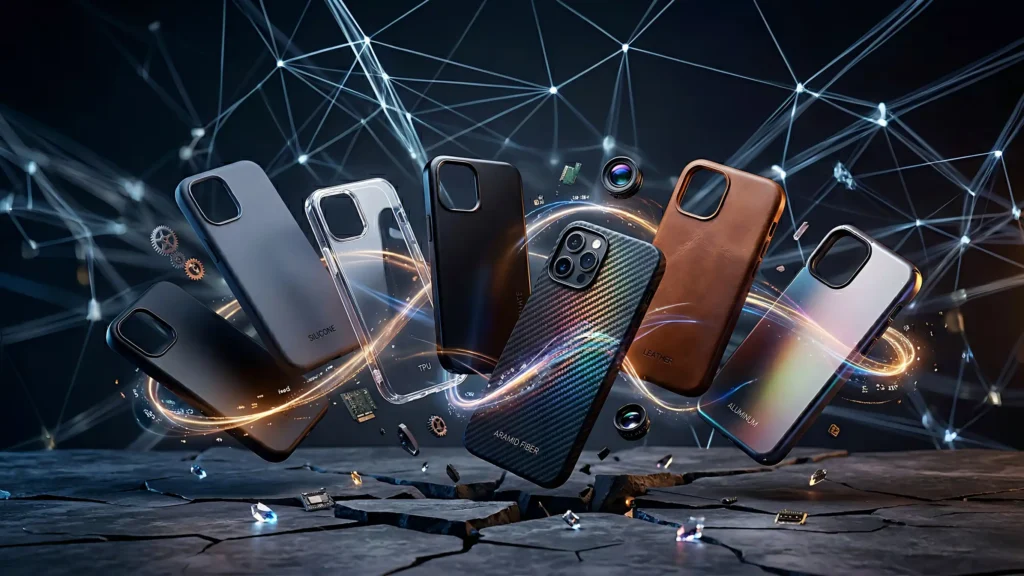
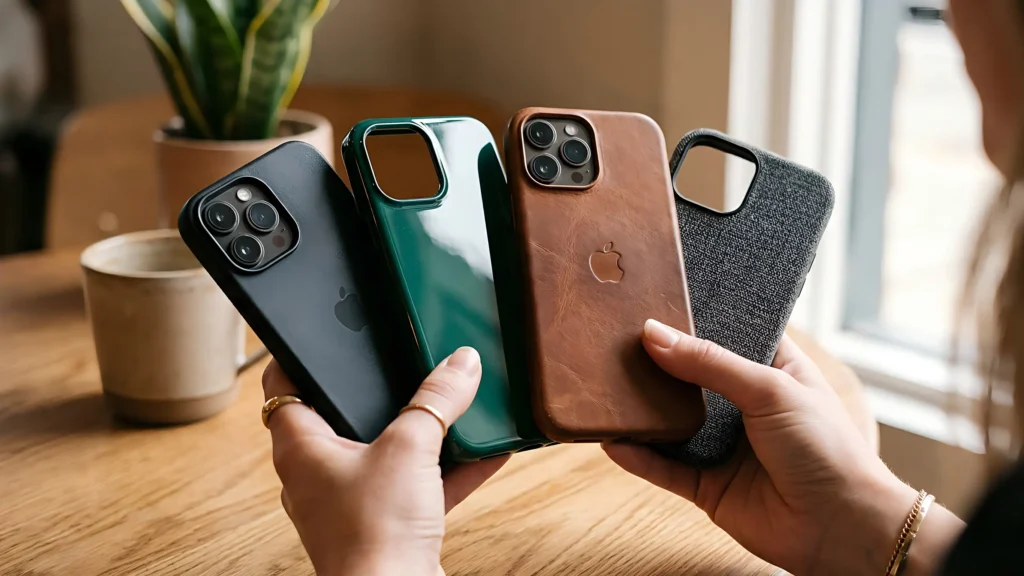
Most phone cases are made from silicone, thermoplastic polyurethane (TPU), or polycarbonate (PC), while other options feature acrylic, leather, metal, or wood. Some use a single material; others combine a rigid back with a flexible frame to balance protection, grip, and appearance. Understanding how these materials perform makes it easier to compare different types of phone cases and choose an option that fits your product requirements and budget.
Silicone: The High-Volume Entry Point
Silicone phone case is produced via liquid silicone rubber (LSR) injection molding or compression molding. It’s the entry-level workhorse of the phone case industry for good reason — low tooling complexity and broad manufacturing availability keep unit costs extremely competitive.
Strengths:
- Soft, non-slip grip with excellent hand-feel
- Naturally hypoallergenic and heat-resistant
- Simplest mold design, lowest tooling investment
Weaknesses:
- Attracts lint and dust aggressively
- Prone to stretching and deformation over time
- Limited design sharpness; not ideal for fine detail
Best for: High-volume, low-cost retail programs; promotional and gifting SKUs; entry-level private label lines.
TPU Material Phone Case: The Industry Standard
TPU is the most versatile and widely specified custom phone case material on the market — and it earns that position on merit. It threads the needle between flexibility and durability better than any single-layer alternative.
TPU is processed via standard injection molding with cycle times of 20–40 seconds depending on wall thickness and mold complexity. Shore hardness can be tuned between 60A and 95A, giving engineers precise control over grip feel and impact response.
Strengths:
- Balanced flexibility and rigidity for everyday drop protection
- Excellent abrasion resistance and long service life
- Wide compatibility with UV printing and IMD/IML decoration
- Broad color and transparency options
Weaknesses:
- Low-grade compounds yellow under UV — always verify supplier compound quality
- Slightly higher unit cost than silicone
Best for: Mid-range retail lines, OEM programs, and custom branded cases at scale.
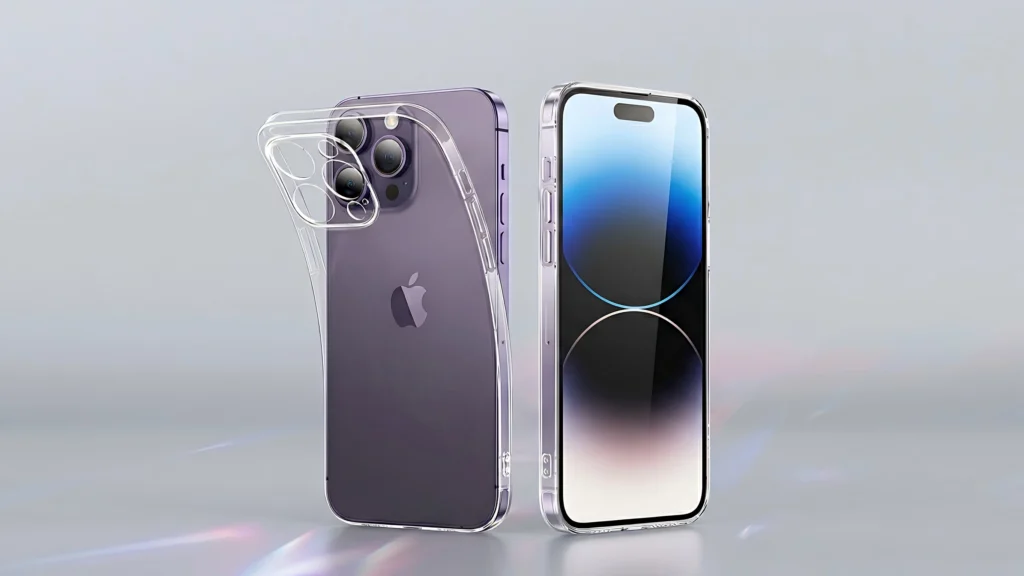
Factory Insight: Require Delta E < 3 yellowing resistance test data for any transparent TPU program. This is the industry-accepted threshold — anything above it signals a substandard UV-stabilizer package in the compound.
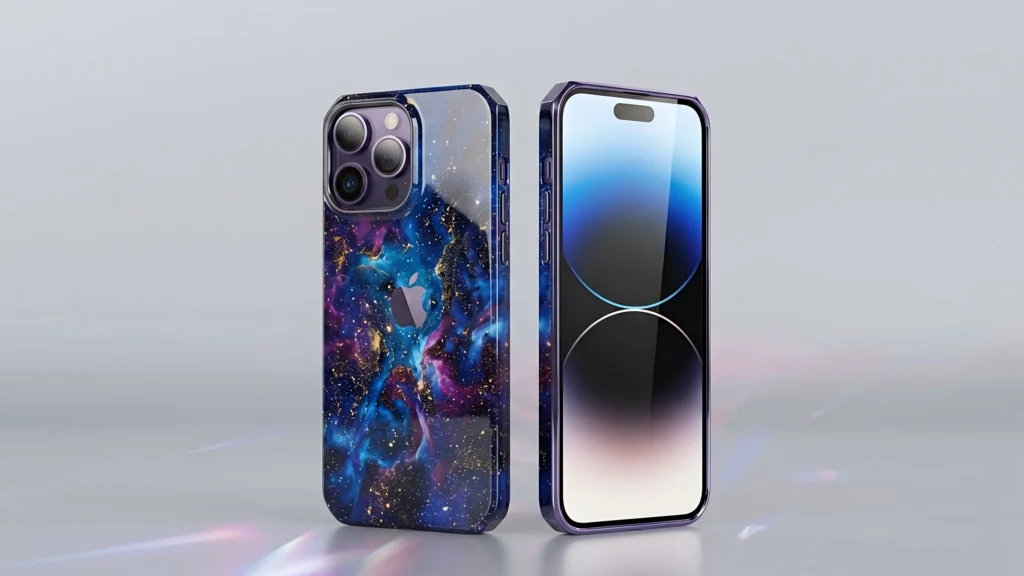
Hard PC (Polycarbonate): The Decorator’s Substrate
Polycarbonate delivers superior structural rigidity and is the preferred substrate for surface decoration. Its high dimensional stability makes it ideal for UV printing and IMD (In-Mold Decoration) — where a pre-printed film is integrated directly into the injection-molded part, eliminating post-molding decoration and improving graphic durability significantly.
Strengths:
- High scratch resistance and structural integrity
- Excellent print fidelity for complex graphic programs
- Fully compatible with IMD/IML for permanent decoration
Weaknesses:
- More brittle than TPU under point-force impact
- Prone to corner cracking without rubber reinforcement
Best for: Fashion-forward designs, branded promotional cases, mid-to-premium retail programs.
Acrylic (PMMA): Premium Optical Clarity
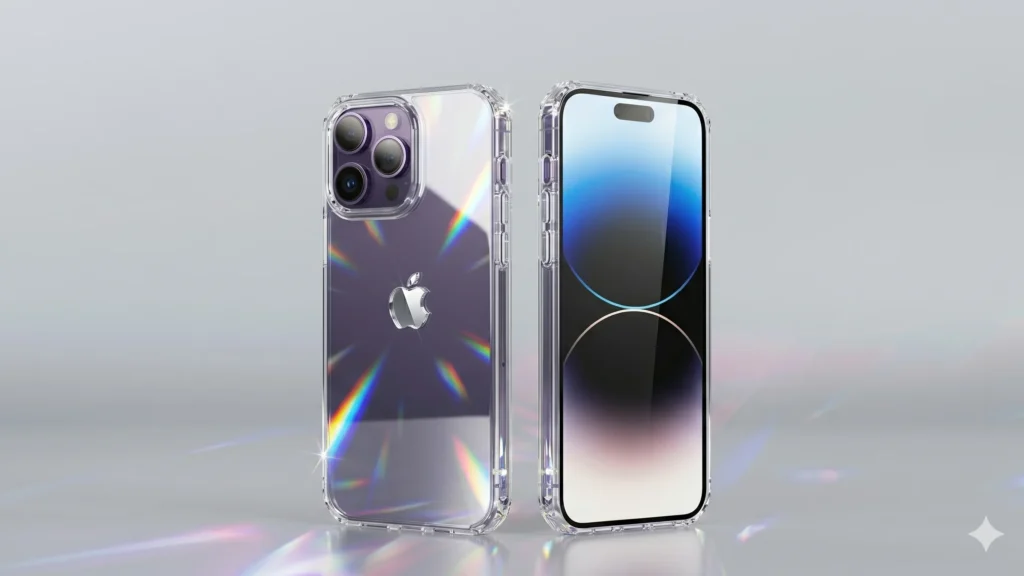
PMMA offers optical clarity that exceeds standard PC — making it the material of choice for transparent or translucent designs where visual purity is paramount. Its glass-like finish communicates premium quality and supports rich color saturation.
Strengths:
- Superior optical transparency; outperforms PC in visual clarity
- Excellent gloss surface quality; machines and polishes extremely well
- Strong premium aesthetic at moderate cost
Weaknesses:
- More brittle than PC; not suitable for drop-intensive use without hybrid construction
Best for: Fashion brands, pressed-flower and botanical designs, premium transparent cases.
Leather Phone Cases
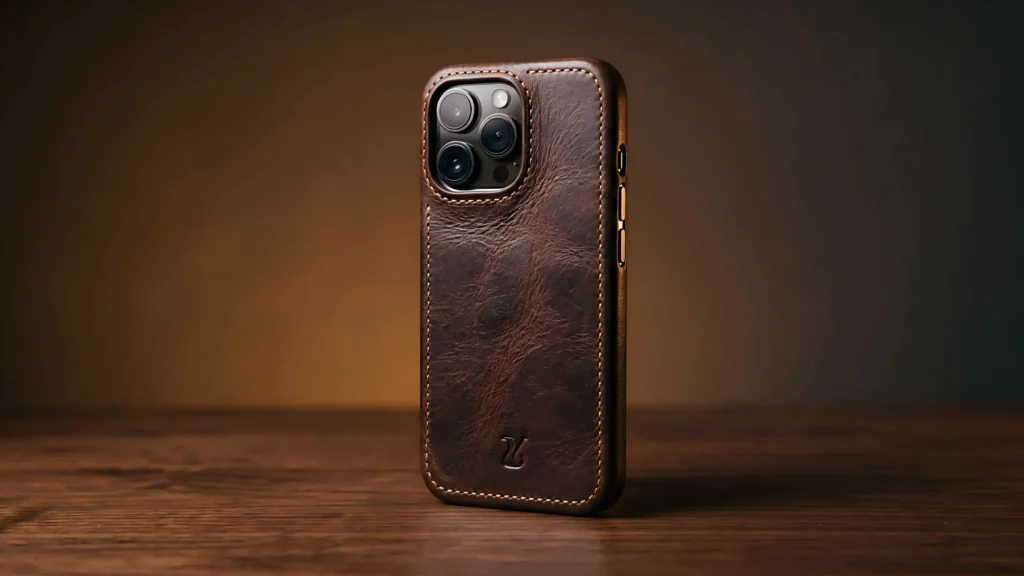
Genuine Leather Full-grain and top-grain leather cases occupy the top of the market. They develop a unique patina with use, signal genuine luxury, and deliver strong unboxing appeal. From a manufacturing standpoint, genuine leather requires skilled cutting, stitching, and quality-controlled dyeing — with higher MOQs due to material waste in cutting patterns.
PU / Vegan Leather Modern PU leather technology has advanced significantly. Micro-fiber backed PU now closely replicates the visual and tactile properties of genuine leather at a fraction of the cost. It’s the practical choice for phone case material for bulk orders where leather aesthetics are required at volume without the premium price structure.
Aramid Fiber (Kevlar): Engineering-Grade Performance
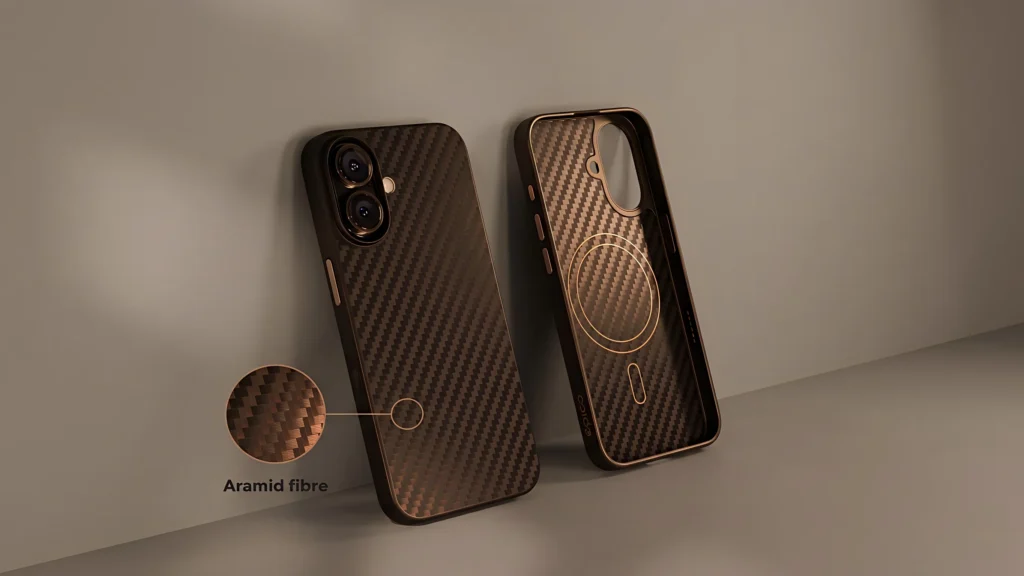
Aramid fiber cases represent the pinnacle of functional engineering in the phone case category. Manufactured using woven Kevlar fabric bonded to a structural substrate, these cases deliver an extraordinary strength-to-weight ratio — thinner and lighter than PC while offering superior tensile strength.
The production process involves multiple steps:
- Precision fiber weaving to defined areal weight specifications
- Resin infusion or structural bonding to substrate
- CNC trimming to the final case geometry
- Precision cutout machining for ports and controls
Strengths:
- Highest tensile strength of any commercial case material
- Ultra-thin profile without sacrificing structural performance
- Strong tech-brand positioning; commands significant retail price premium
Weaknesses:
- Higher unit cost and longer lead times than polymer alternatives
- Less favorable MOQ economics for high-volume commodity programs
Best for: Tech-focused premium brands; performance-oriented consumer segments; high-margin SKU programs.
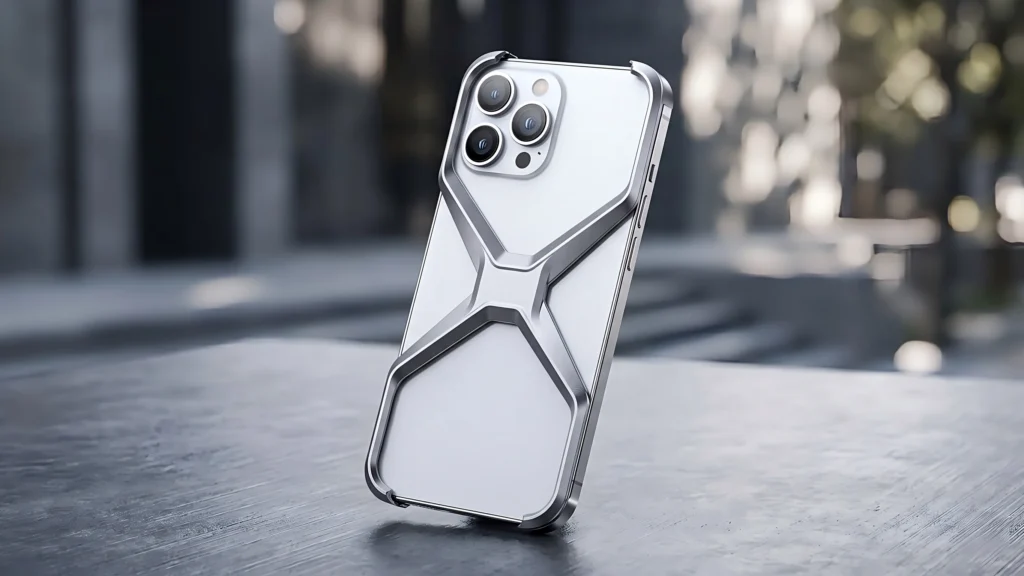
Metal (Aluminum Alloy)
Machined aluminum cases communicate industrial precision and durability. Production uses CNC milling from aluminum billet or die casting to achieve tight tolerances and premium surface finishes.
The primary technical limitation is RF signal attenuation — metal housings can interfere with antenna performance on certain frequency bands. This is a non-negotiable engineering consideration that must be addressed in design.
Best for: Ultra-premium positioning; industrial and rugged product lines.
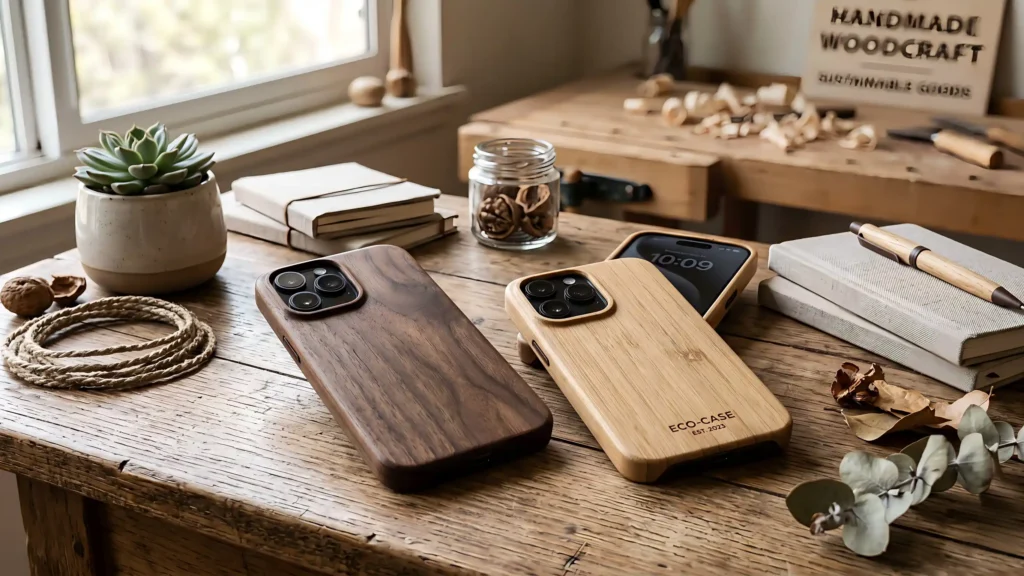
Wooden Cases: Natural Differentiation
Wood veneers — typically walnut, bamboo, or maple — bonded to polymer substrates offer genuinely differentiated aesthetics with strong appeal to eco-conscious segments. Protection performance is limited; wood is best used as a cosmetic overlay on a TPU or PC structural base, not as a standalone protective material.
Hybrid & Multi-Material Cases
The TPU + PC dual-layer construction is the dominant architecture in the mid-to-premium protective case segment. The PC inner shell maintains fitment precision and structural rigidity; the TPU outer bumper absorbs corner and edge impact.
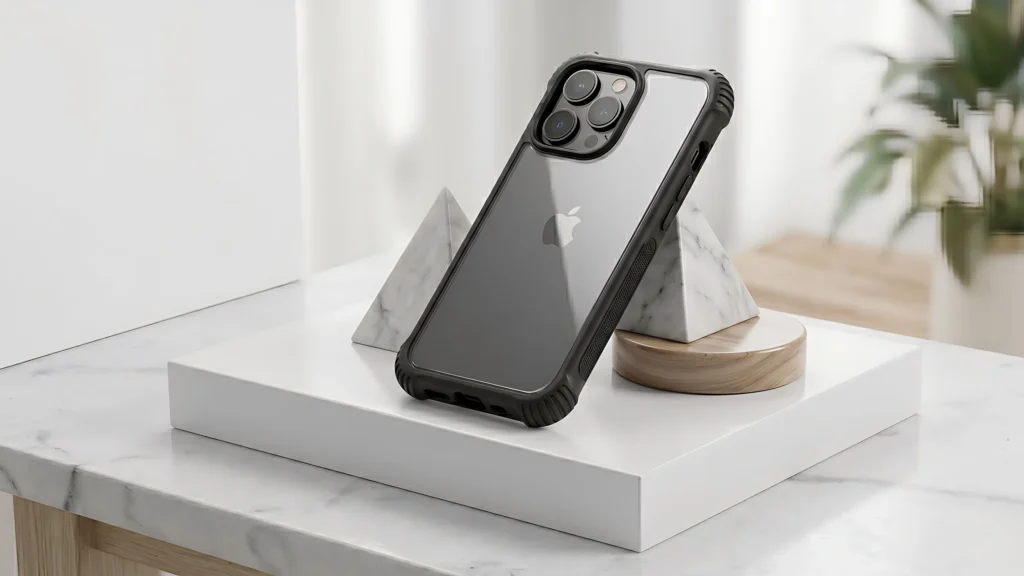
When choosing a bumper case material, assess the perimeter separately from the back panel. A flexible TPU bumper is one option to evaluate, but material choice should be reviewed alongside corner thickness, raised edges, button coverage, and fit. Ask your supplier to show how the proposed bumper connects to the rest of the case and to provide test results for that finished design.
Overmolding — injecting TPU directly over a pre-formed PC insert — is the preferred manufacturing process. It eliminates assembly steps, improves bonding integrity, and delivers a cleaner finished product.
Pro Tip: Specify overmolding over mechanical assembly for any TPU/PC hybrid program. Bonded construction eliminates the delamination risk that plagues cheaper assembled alternatives — and it passes corner drop tests that two-piece designs frequently fail.
Silicone vs TPU vs Hard PC Phone Case: Direct Comparison
A PC and TPU material comparison starts with rigidity versus flexibility. PC provides a hard structural component, while TPU provides a more flexible component. Rather than asking which is always better, consider where each material will be used: the back panel, sidewalls, and corners may have different design requirements. For a hybrid case, review both the material specifications and the way the components fit together.
Performance and Cost at a Glance
| Attribute | Silicone | TPU | Hard PC |
|---|---|---|---|
| Drop Protection | Moderate | Good | Moderate–Good |
| Scratch Resistance | Low | Medium | High |
| Print Compatibility | Limited | Good (UV) | Excellent (IMD/UV) |
| Bulk Unit Cost | Lowest | Low–Medium | Medium |
| Long-Term Durability | Lower | High | High |
| Yellowing Resistance | Good | Grade-Dependent | Good |
The Recommendation by Market Tier
- Budget retail → Silicone wins on price and production simplicity
- Mid-range programs → TPU’s durability, printability, and cost balance are unmatched
- Premium and design-forward SKUs → Hard PC or PC/TPU hybrid is the professional standard
What Is the Most Durable Phone Case Material?
Durability Ranking: Material by Material
- Aramid Fiber — highest tensile strength; excellent long-term fatigue resistance
- Polycarbonate (PC) — high structural rigidity; good UV stability with proper additive packages
- TPU — excellent elastomeric recovery; strong abrasion resistance across use cycles
- Silicone — good in compression; degrades faster under UV exposure and mechanical cycling
Real-World Durability Factors
MIL-STD-810G drop tests measure peak G-force transmission and structural failure modes across 26 faces and edges when dropped from 1.5 meters onto concrete. But lab performance is only part of the durability picture.
In practice, three additional factors determine long-term product performance:
- UV aging resistance — critical for transparent TPU and acrylic cases in outdoor-adjacent use
- Chemical exposure — sweat, sunscreen, and cleaning agents degrade low-grade polymer formulations
- Mechanical cycling — repeated flexing at button and port cutouts creates fatigue failure in thin-wall sections
Factory Insight: Always request UV aging test data (Delta E) alongside drop test certification. A case that survives 1.5m drops but yellows within 90 days of retail sale generates returns and damages brand equity — both expensive outcomes.
Matching Material to End-User Behavior
Heavy-duty and outdoor users need hybrid construction or aramid fiber — prioritize impact energy management over aesthetics. Fashion-driven everyday users respond to premium surfaces and design detail, making PC or acrylic with advanced decoration the stronger commercial play.
Best Phone Case Material for Bulk Orders and OEM Manufacturing
When specifying phone casing material for an OEM order, clarify that the requirement concerns the protective case rather than the phone’s own housing. Build your request for quotation around the intended use, material grade, finish, target quantity, and acceptance criteria. Ask each supplier to quote against the same brief and identify any proposed substitutions, so you can compare like-for-like options before approving samples.
What Wholesale Buyers Must Evaluate
Structuring a scalable OEM phone case materials program requires clarity on four operational variables:
- MOQ thresholds by material — silicone and TPU programs can often start at 500–1,000 units per SKU with amortized tooling; aramid fiber and genuine leather require higher minimum commitments
- Tooling investment level — hardened P20 steel molds for high-volume production vs. soft aluminum for sampling and development
- Lead time from mold approval to first production shipment — typically 25–45 days for standard injection-molded cases
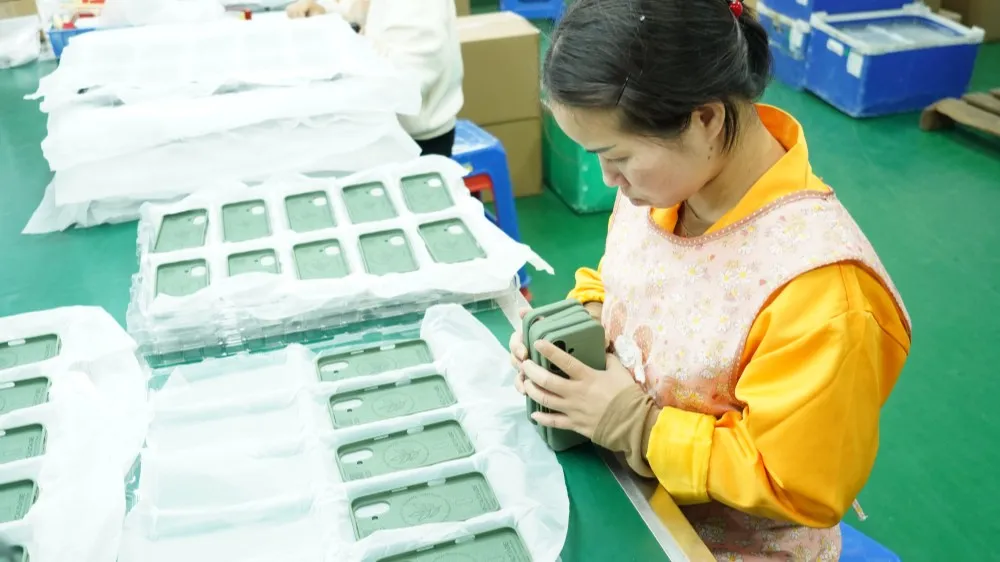
- QC protocol alignment — fitment inspection standards, surface defect grading criteria, and packaging specifications
Core OEM Manufacturing Processes
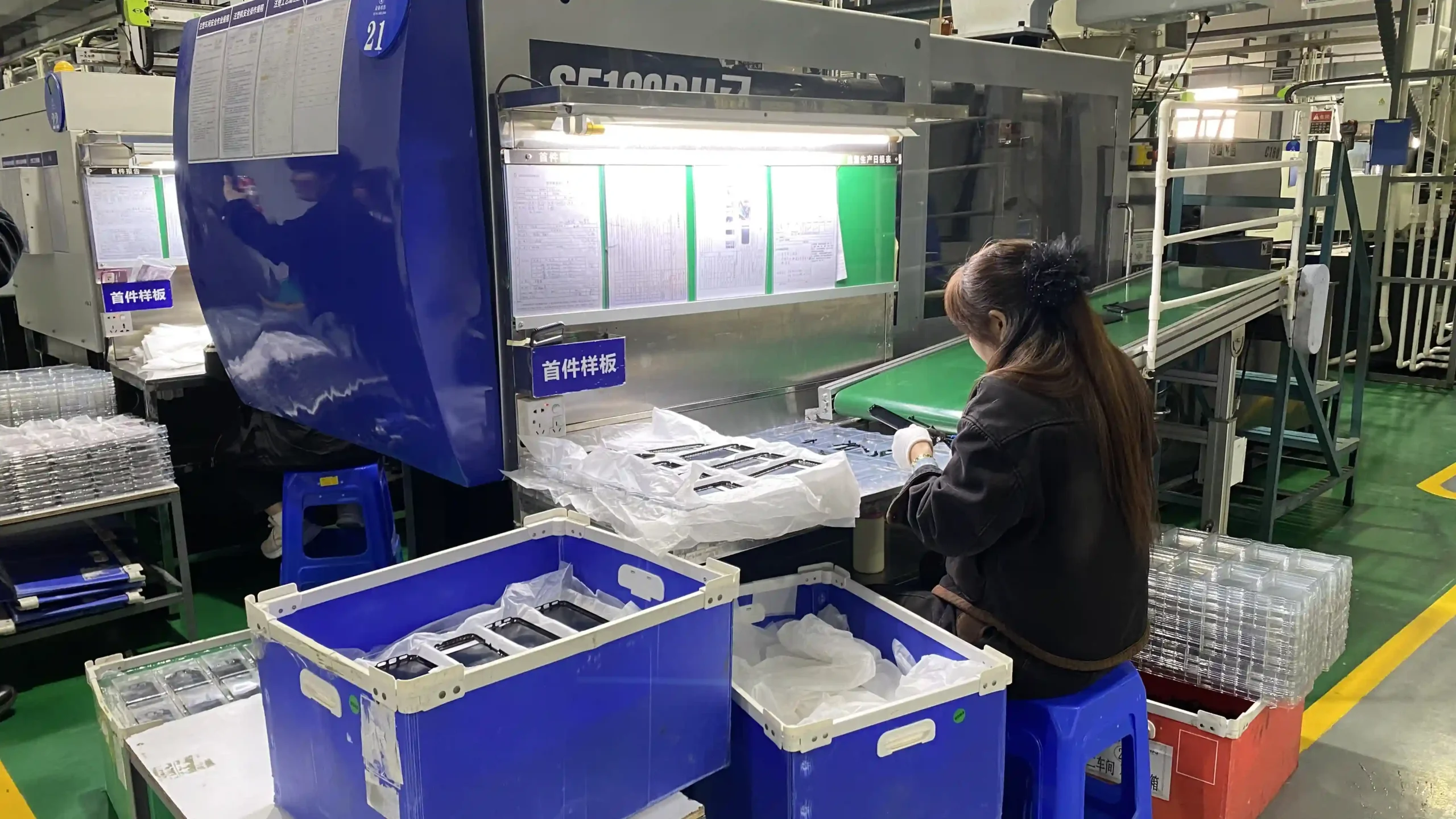
Injection Molding: The dominant mass-production process. Highly automatable, low per-unit labor cost, and suitable for multi-cavity tooling that drives down unit economics at volume.
Overmolding (TPU over PC Insert) Best-in-class for hybrid protection cases. Requires precise mold engineering but delivers superior product integrity — bonding rather than assembling the two material layers.
IMD/IML Decoration: A graphic film is inserted into the mold before injection. The decoration becomes permanently bonded within the case wall — more durable than surface printing and ideal for complex, high-resolution graphic programs at scale.
Cost Optimization for OEM Programs
Three levers drive material and margin optimization in structured OEM programs:
- Compound specification — choosing the appropriate TPU grade rather than over-specifying performance properties you don’t need
- Tooling efficiency — multi-cavity molds amortize fixed tooling cost across more units, directly lowering per-unit economics
- Process consolidation — combining decoration and molding via IMD eliminates secondary operations, reducing labor cost and defect risk simultaneously
Pro Tip: Engage your manufacturing partner at the material specification and mold design stage — not just at sampling. Buyers who involve factory engineering teams early consistently achieve better unit economics and avoid costly mold revisions downstream.
Choosing the Right Custom Phone Case Material for Your Brand
Printing Compatibility by Material
Not every material supports every decoration method. Matching print process to substrate is a foundational step in custom phone case material planning:
- UV printing — compatible with TPU, PC, and acrylic; high resolution; durable under normal retail use conditions
- IMD/IML — best with PC; delivers the highest graphic durability; enables complex color gradients and photographic detail
- Sublimation — primarily used on polymer-coated PC or TPU; good for photo-realistic prints at moderate production volumes
Finishing Options That Differentiate at the Shelf
Material selection gates your available finishing options. Plan finishes during tooling design — not after:
- TPU → soft-touch matte coatings, translucent colorways, flexible texture embossing
- PC → mirror gloss, hard-coat scratch resistance, precision IMD graphics
- Acrylic → premium optical transparency with deep color saturation and high-gloss polish
Aligning Material to Target Consumer
| Brand Type | Recommended Material |
|---|---|
| Fashion & Lifestyle | Acrylic, PU leather, soft-touch TPU with gradient printing |
| Tech & Performance | Aramid fiber, PC/TPU hybrid with precision cutouts |
| Budget & Value | TPU or silicone with UV logo printing |
| Eco-Conscious | Bamboo composite, recycled-content TPU |
How to Choose the Best Phone Case Material by Market Segment
Budget Market: Volume and Price Discipline
Silicone and standard TPU deliver the required price points for high-velocity retail and promotional programs. The focus here is operational: consistent colorway matching and reliable model-line fitment across high SKU counts. Design complexity is a cost risk — keep tooling straightforward.
Mid-Range Market: The Performance-Value Sweet Spot
TPU + PC hybrid construction with UV or IMD decoration is the commercial sweet spot at this tier. It supports meaningful retail price premiums while remaining manufacturable at scale with predictable quality metrics. This is the segment where process investment — overmolding, IMD decoration — delivers the clearest return on tooling cost.
Premium Market: Elevation Requires Rigor
Aramid fiber, genuine leather, and machined aluminum address consumers for whom the case is a considered, deliberate purchase. Production complexity is higher, and QC standards must be correspondingly elevated. Expect 100% fitment inspection, rigorous surface-defect grading, and more intensive incoming-material QC.
Eco-Conscious Brands: Emerging Viability
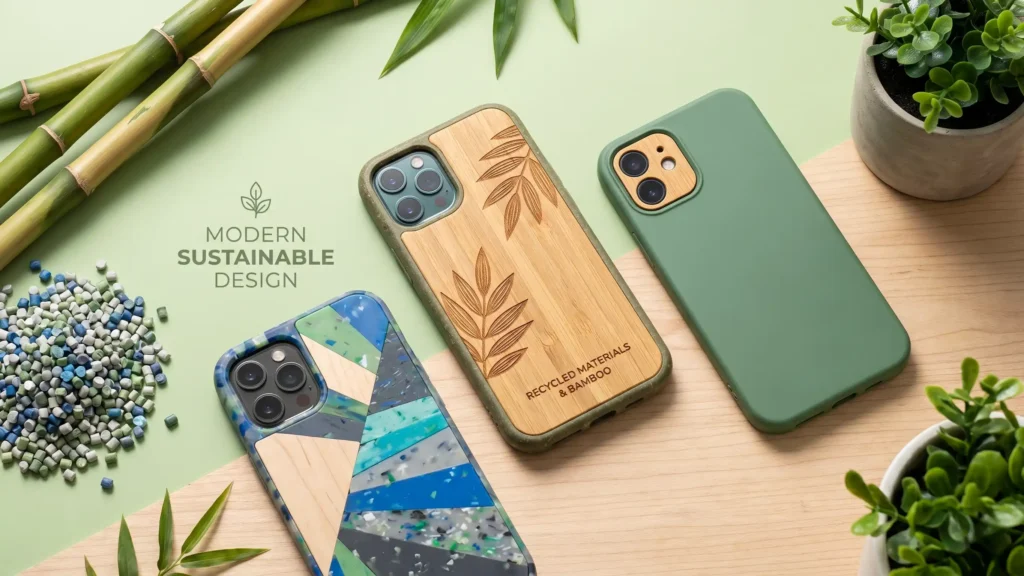
Bamboo composite cases and biodegradable PLA-based polymers are advancing rapidly. Current limitations in impact performance and colorway stability mean they are best positioned as a complementary sustainability line rather than a core product range — but the technology trajectory is favorable.
Future Trends in Phone Case Materials
Sustainable Materials: From Niche to Mainstream
Regulatory pressure and consumer preference are accelerating the development of plant-derived polymers and recycled-content TPU. Several major compounders now offer recycled TPU with mechanical properties comparable to virgin material — a commercially viable option for brands with published sustainability commitments.
Advanced Protective Architectures
Engineering is pushing the protection-per-millimeter ratio of thin cases further every product cycle:
- Air-cushion corner architecture — isolated air pockets that collapse controllably on impact to absorb energy
- Integrated D3O gel inserts — rate-sensitive polymer that stiffens on impact and returns to flexibility at rest
- Honeycomb internal structures — distributes impact force across a wider area, reducing peak transmission to the device
Functional and Smart Material Coatings
Antimicrobial silver-ion coatings — applied via spray or masterbatch integration directly into the polymer — are gaining meaningful traction across retail channels post-pandemic. Heat-dissipating graphene additives in TPU compounds represent an emerging development pathway specifically targeting the gaming phone segment, where thermal management at the case level is increasingly relevant.
FAQ
What is the best material for phone case protection?
A TPU + PC hybrid construction offers the most complete protection profile for mainstream programs — combining the shock absorption of thermoplastic polyurethane with the structural rigidity of polycarbonate. For extreme use cases, aramid fiber over a structural substrate is the highest-performance option in commercial production.
Is TPU better than silicone for phone cases?
For most applications, yes. TPU delivers superior durability, better abrasion resistance, higher design flexibility, and longer service life. Silicone’s primary advantage is its lower unit cost and softer hand-feel — a legitimate choice for specific entry-level market positions, not a universal default.
What is the most durable phone case material?
Aramid fiber delivers the highest durability-to-weight ratio in commercial case manufacturing. For mainstream production volumes, UV-stabilized TPU and high-grade polycarbonate offer the best durability at practical price points.
Which phone case material is best for bulk orders?
TPU is the industry standard for scalable bulk production — injection-moldable at high volume, available in consistent grades globally, and compatible with a wide range of decoration methods. Silicone is optimal where lowest possible unit cost is the primary objective and design complexity is minimal.
What materials are used in OEM phone case manufacturing?
The most common OEM phone case materials are:
- TPU — flexible single-layer and hybrid outer bumper applications
- PC — rigid single-layer and hybrid inner shell applications
- Silicone — entry-level and promotional programs
- PU leather — premium aesthetic folio and wallet cases at scale
- Aramid fiber and genuine leather — premium OEM programs with appropriate MOQ and pricing structures
Conclusion
There is no universal best material for phone case production. The optimal specification is always a function of target consumer, price architecture, branding strategy, and production volume.
The practical framework:
| Material | Best Application |
|---|---|
| TPU | Best overall balance — protection, customizability, scalable economics |
| PC / TPU Hybrid | Professional standard for protection performance and design quality |
| Silicone | Most cost-efficient for entry-level and high-volume commodity programs |
| Aramid Fiber | Defensible premium positioning; highest strength-to-weight ratio |
| Genuine Leather | Luxury and lifestyle positioning; strong margin potential |
The brands and wholesale buyers who consistently win in this category treat material selection as a strategic decision — not a commodity input. Engaging your manufacturing partner at the material specification and mold design stage, rather than at sampling, is the single most effective action you can take to optimize protection, aesthetics, cost, and scalability simultaneously.
Ready to spec your next phone case line with factory-direct precision? Contact our YG team today for a free material consultation, MOQ assessment, and sample program tailored to your brand’s target market and price architecture. The right material decision starts with the right manufacturing partner.