The global demand for smartphone accessories continues to rise, with protective cases leading the market due to their essential role in device protection and personalization. For brands, wholesalers, and sourcing professionals, understanding how phone cases are manufactured is critical—not only for product development but also for selecting the right OEM partner.
This guide provides a complete, factory-level breakdown of the phone case manufacturing process, from design and material selection to tooling, mass production, and quality control. Whether you’re launching a private label or scaling an existing product line, this article will help you navigate every stage with confidence.
Overview of the Phone Case Manufacturing Process
Table of Contents
ToggleWhat Is the Phone Case Manufacturing Process?
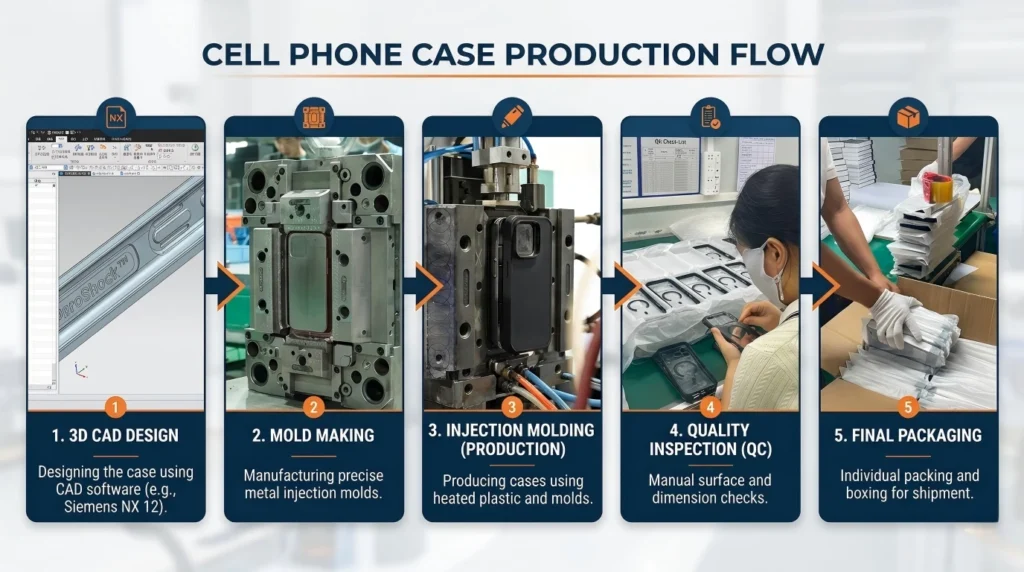
At its core, the phone case production process follows a structured workflow:
- Product design and engineering
- Material selection
- Mold creation (tooling)
- Prototype development
- Mass production
- Surface finishing and branding
- Quality control
- Packaging and shipping
Each step directly impacts product quality, cost, and lead time.
How Are Phone Cases Manufactured in a Factory?
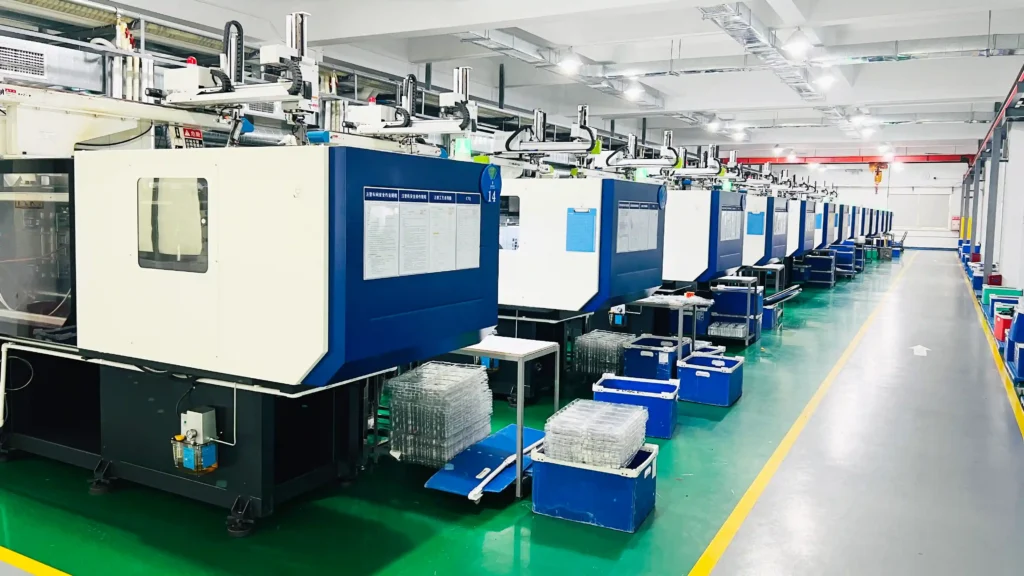
Inside a modern phone case factory, production is organized into specialized departments. Raw materials enter the production line, are processed through injection molding or compression molding, and then move through finishing, inspection, and packaging stations.
A well-optimized phone case production line ensures efficiency, consistency, and scalability—key factors for OEM projects.
Phone Case Design and Engineering for Brands
How to Manufacture Custom Phone Cases for Brands
For brands, manufacturing typically follows one of three models:
- OEM (Original Equipment Manufacturer): You provide the design; the factory produces it
- ODM (Original Design Manufacturer): The factory offers existing designs with customization
- Private Label: Branding pre-made designs with your logo
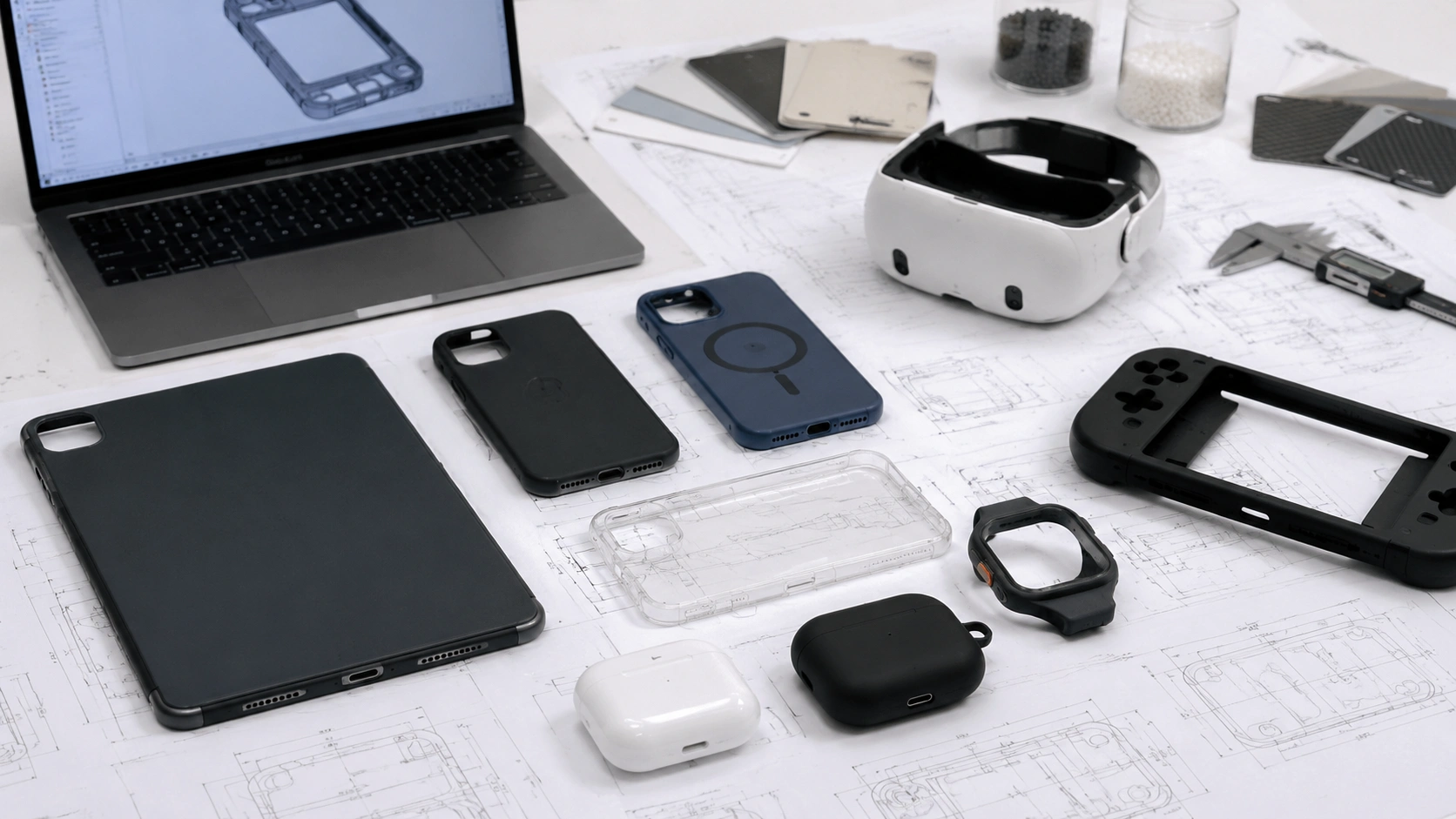
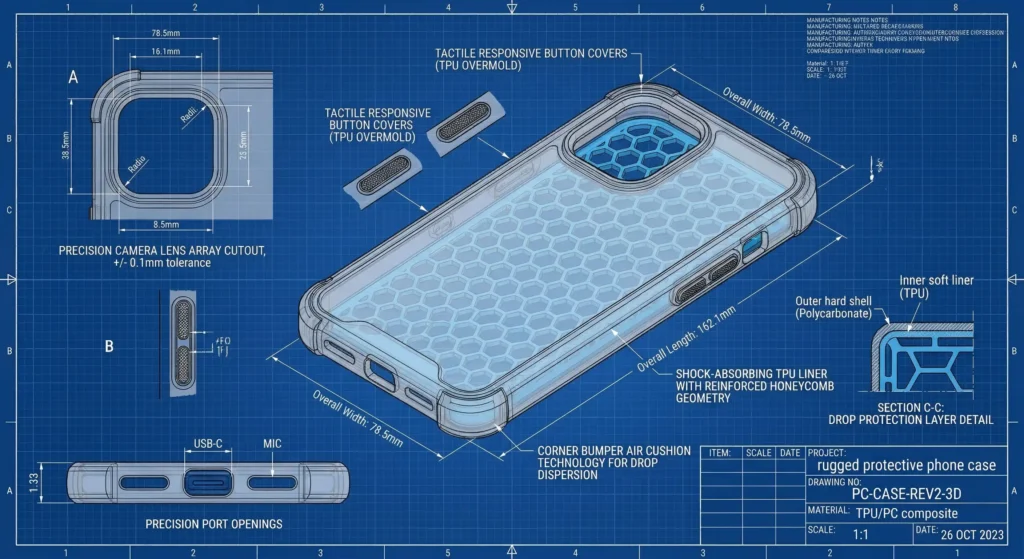
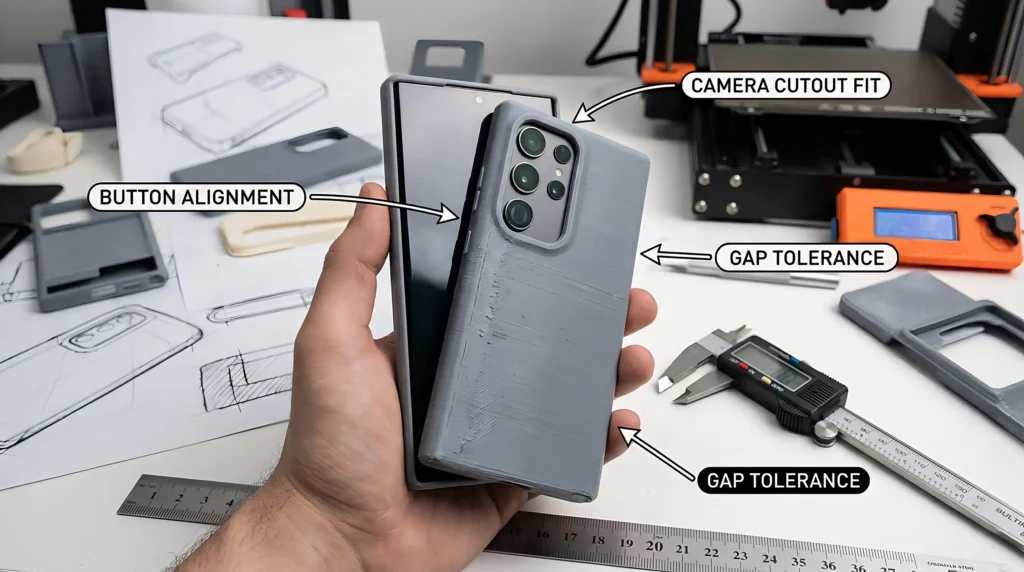
In custom projects, factories begin with CAD drawings based on smartphone dimensions. Precision is critical—button alignment, camera cutouts, and port openings must match within tolerances of ±0.1 mm.
Drop Protection & Functional Design Considerations
Professional phone case design and engineering includes:
- Reinforced corners with air cushions
- Multi-layer structures (soft inner + hard outer shell)
- Raised bezels for screen and camera protection
These features are especially important for brands targeting premium markets.
Phone Case Material Selection
Common Materials Used in Phone Case Manufacturing
Material choice defines both performance and manufacturing method:
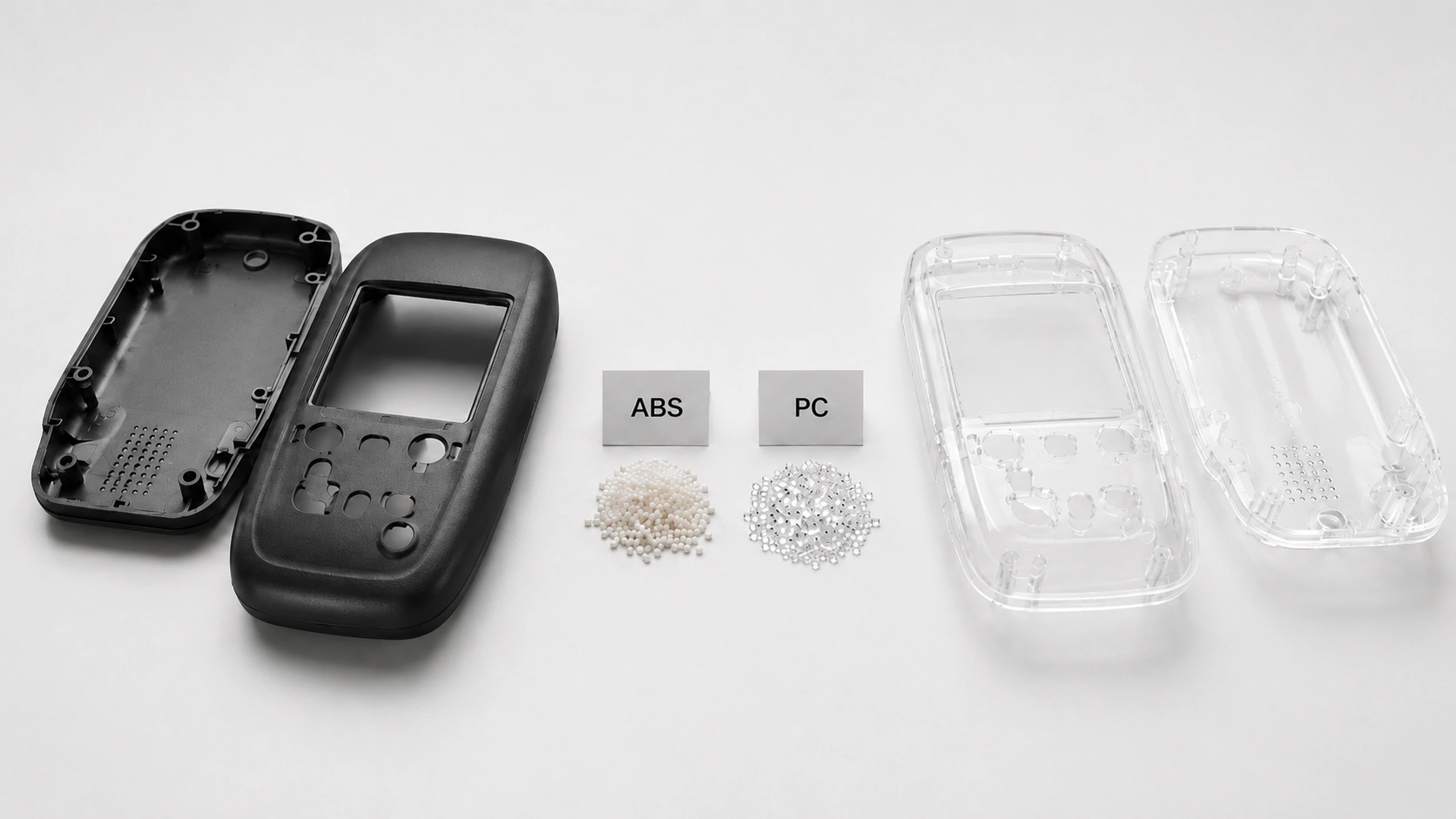
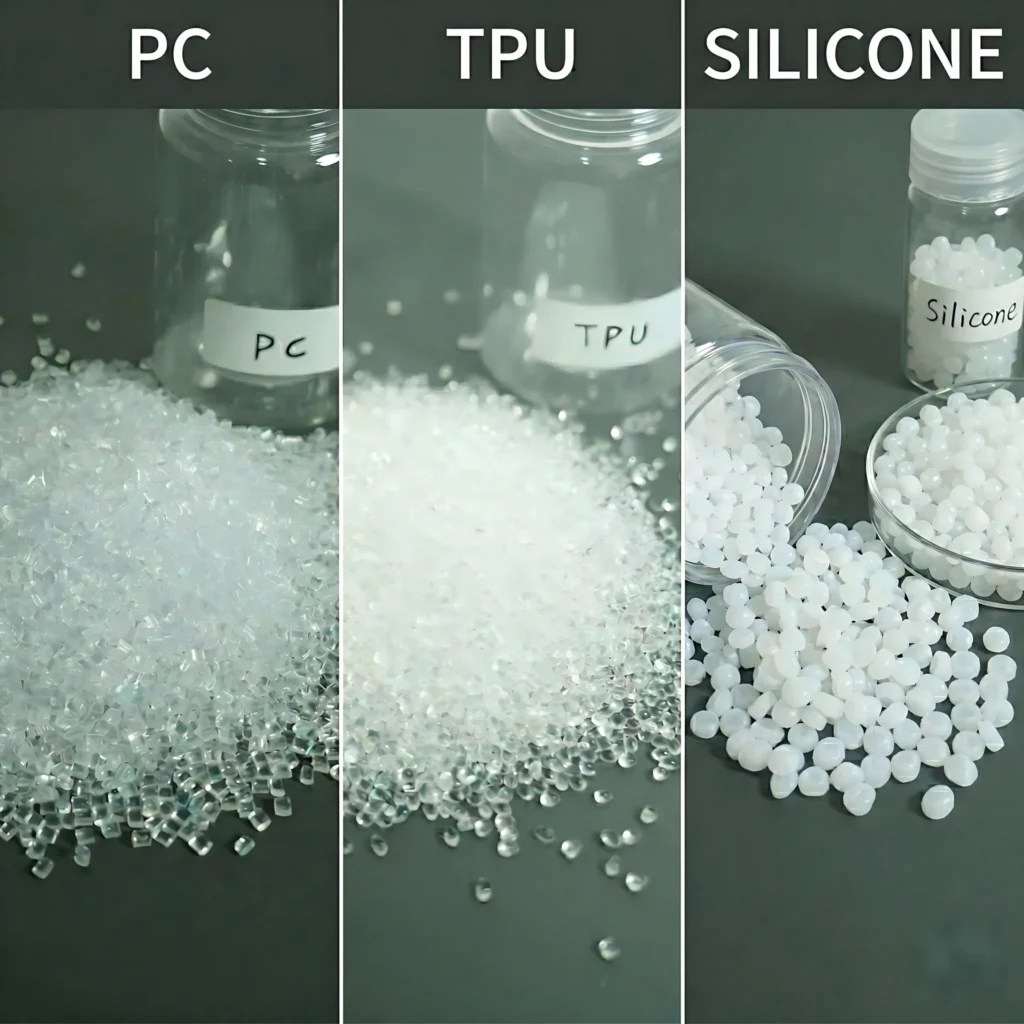
- TPU (Thermoplastic Polyurethane): Flexible, shock-absorbing, widely used
- Silicone: Soft-touch, durable, premium feel
- Polycarbonate (PC): Rigid, transparent, high impact resistance
In practice, many cases combine materials—for example, TPU inner layers with PC outer shells.
Material Considerations for US & EU Markets
For Western markets, compliance is essential. Materials must meet:
- RoHS (Restriction of Hazardous Substances)
- REACH regulations
- Non-toxic and eco-friendly standards
Brands increasingly demand biodegradable or recycled materials to align with sustainability goals.
Phone Case Mold Making
How Phone Case Molds Are Made
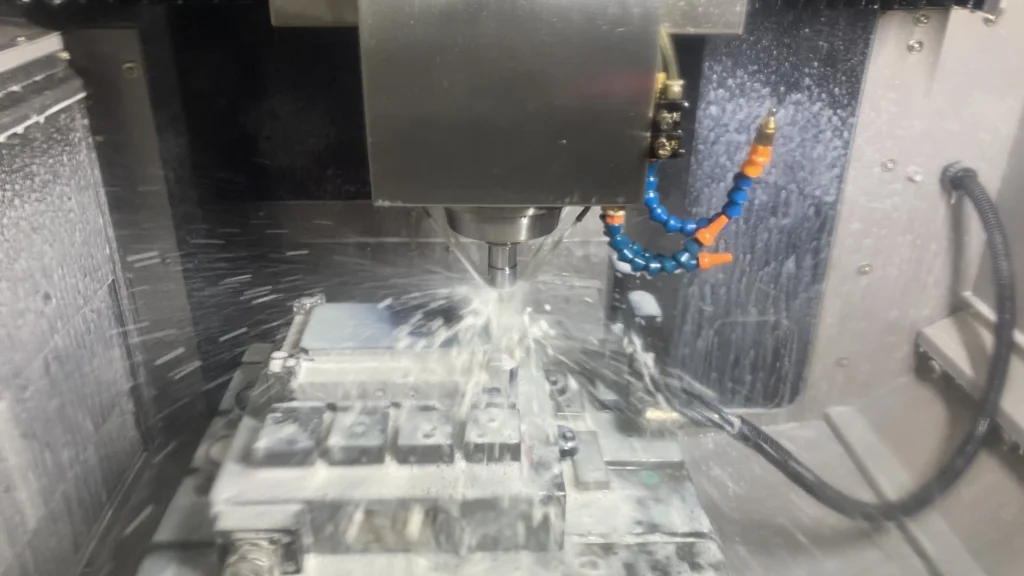
Mold creation is one of the most technical stages in the phone case factory process. High-precision molds are typically made from hardened steel (e.g., P20 or H13).
The process includes:
- CNC machining for shaping
- EDM (Electrical Discharge Machining) for fine details
- Polishing for surface finish (matte, glossy, textured)
A single mold can cost anywhere from $2,000 to $10,000 depending on complexity.
Injection Molding Setup for Phone Cases
Once the mold is ready, it is installed into an injection molding machine. Key parameters include:
- Injection temperature (e.g., 180–240°C for TPU)
- Pressure control
- Cooling time
Fine-tuning these variables ensures consistent product quality.
Core Manufacturing Techniques Explained
How Injection Molding Is Used for Phone Cases
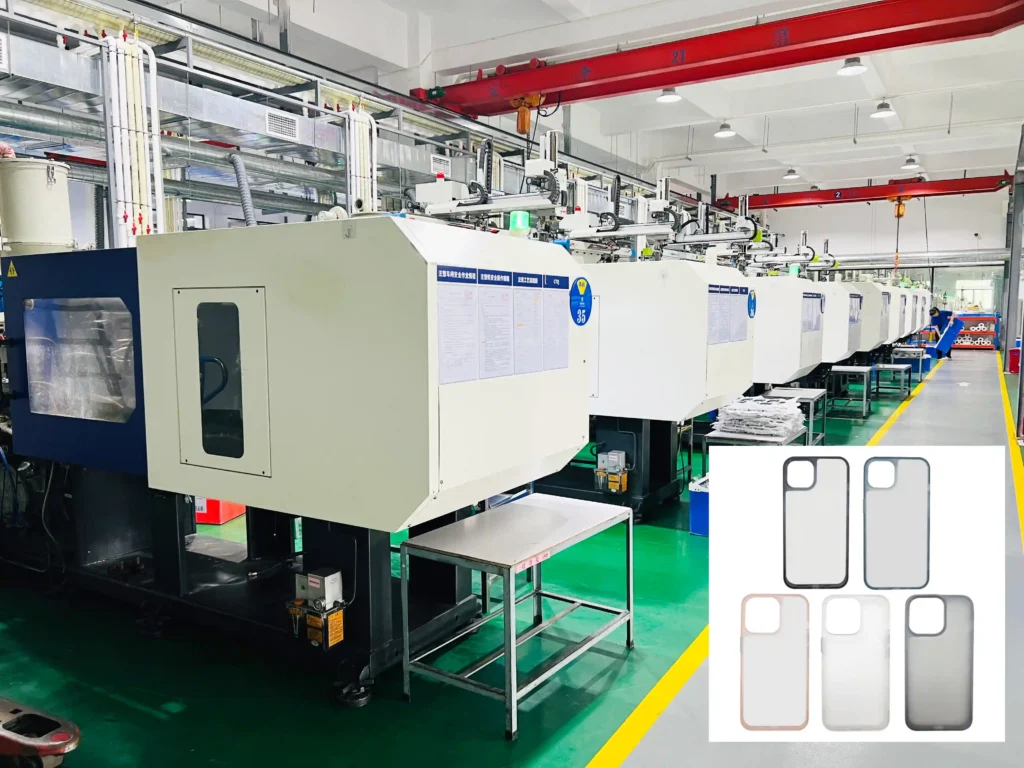
Injection molding is the primary method used in phone case production. Molten plastic is injected into the mold cavity, cooled, and ejected as a finished part.
Advantages include:
- High efficiency for large-scale production
- Consistent dimensions
- Low per-unit cost after tooling
How TPU Phone Cases Are Produced
TPU cases are made using flexible injection molding. The material flows easily into thin sections, making it ideal for slim designs.
Real-world detail: TPU requires precise drying before processing. Moisture can cause bubbles or surface defects.
How Silicone Phone Cases Are Made in Factories
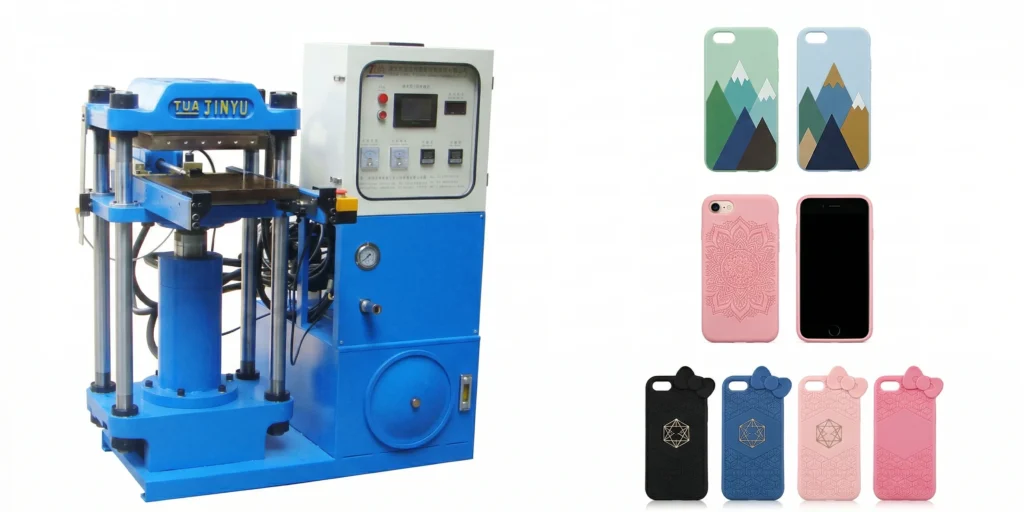
Silicone phone cases are produced through compression or liquid injection molding:
- Liquid silicone rubber (LSR) is injected into heated molds
- The material cures and forms a soft, durable structure
Silicone production often involves longer cycle times compared to TPU.
Overmolding for Enhanced Protection
Overmolding combines multiple materials in a single product. For example:
- Inner TPU layer for shock absorption
- Outer PC shell for rigidity
This technique improves durability and is widely used in rugged cases.
Phone Case Prototype Development Before Mass Production
Rapid Prototyping Methods
Before full-scale production, factories create prototypes using:
- 3D printing (fast and cost-effective)
- CNC machining (more precise and closer to the final product)
Prototype Testing & Iteration
Prototypes undergo testing such as:
- Fit testing with actual devices
- Drop tests (1–2 meters)
- User handling evaluation
Adjustments are made before final mold production.
Phone Case Production Line and Mass Manufacturing
Full Production Line Workflow
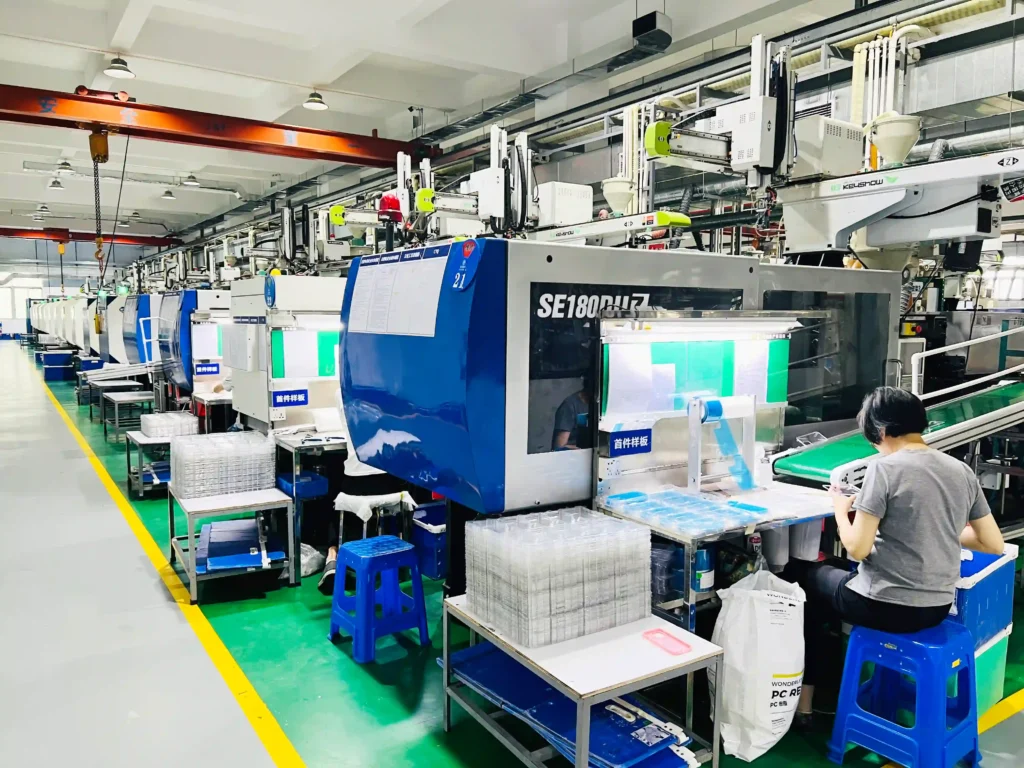
A typical phone case production line includes:
- Material feeding
- Injection molding
- Trimming and deburring
- Surface treatment
- Printing and branding
- Inspection and packaging
Factories can produce thousands of units per day per machine.
Automation in Modern Factories
Advanced factories use:
- Robotic arms for part removal
- Conveyor systems for transport
- Real-time monitoring systems
Automation reduces labor costs and improves consistency.
Custom Printing and Branding Process
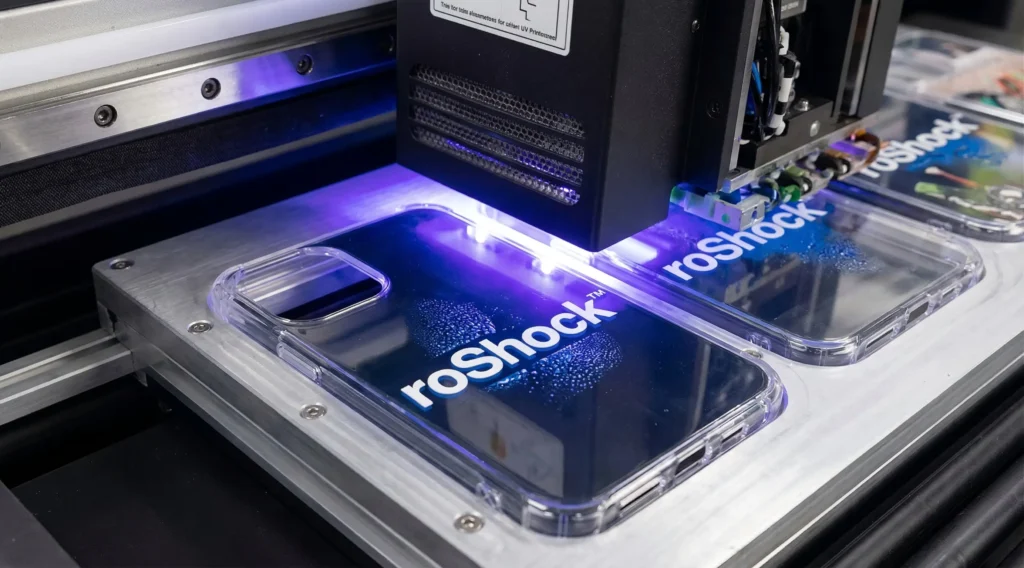
Logo Printing Techniques
Common branding methods include:
- Silk screen printing: Cost-effective for simple logos
- UV printing: High-resolution, full-color designs
- Heat transfer printing: Durable and vibrant
Surface Finishing Options
Finishes enhance both aesthetics and grip:
- Matte coating
- Glossy UV coating
- Electroplating
These options allow brands to differentiate their products.
Quality Control in Phone Case Manufacturing
QC Standards for OEM Production
Reliable manufacturers implement a three-stage QC system:
- IQC (Incoming Quality Control): Raw material inspection
- IPQC (In-Process Quality Control): Monitoring during production
- OQC (Outgoing Quality Control): Final inspection before shipment
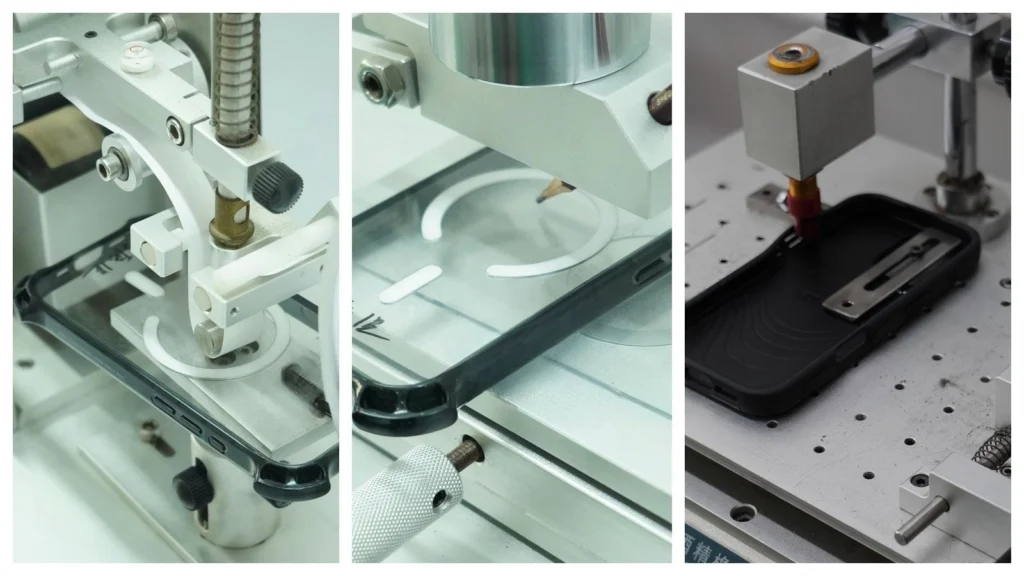
Testing Methods
Standard tests include:
- Drop tests (MIL-STD-810G in some cases)
- Abrasion resistance testing
- Chemical safety testing
Strict QC ensures consistency across large orders.
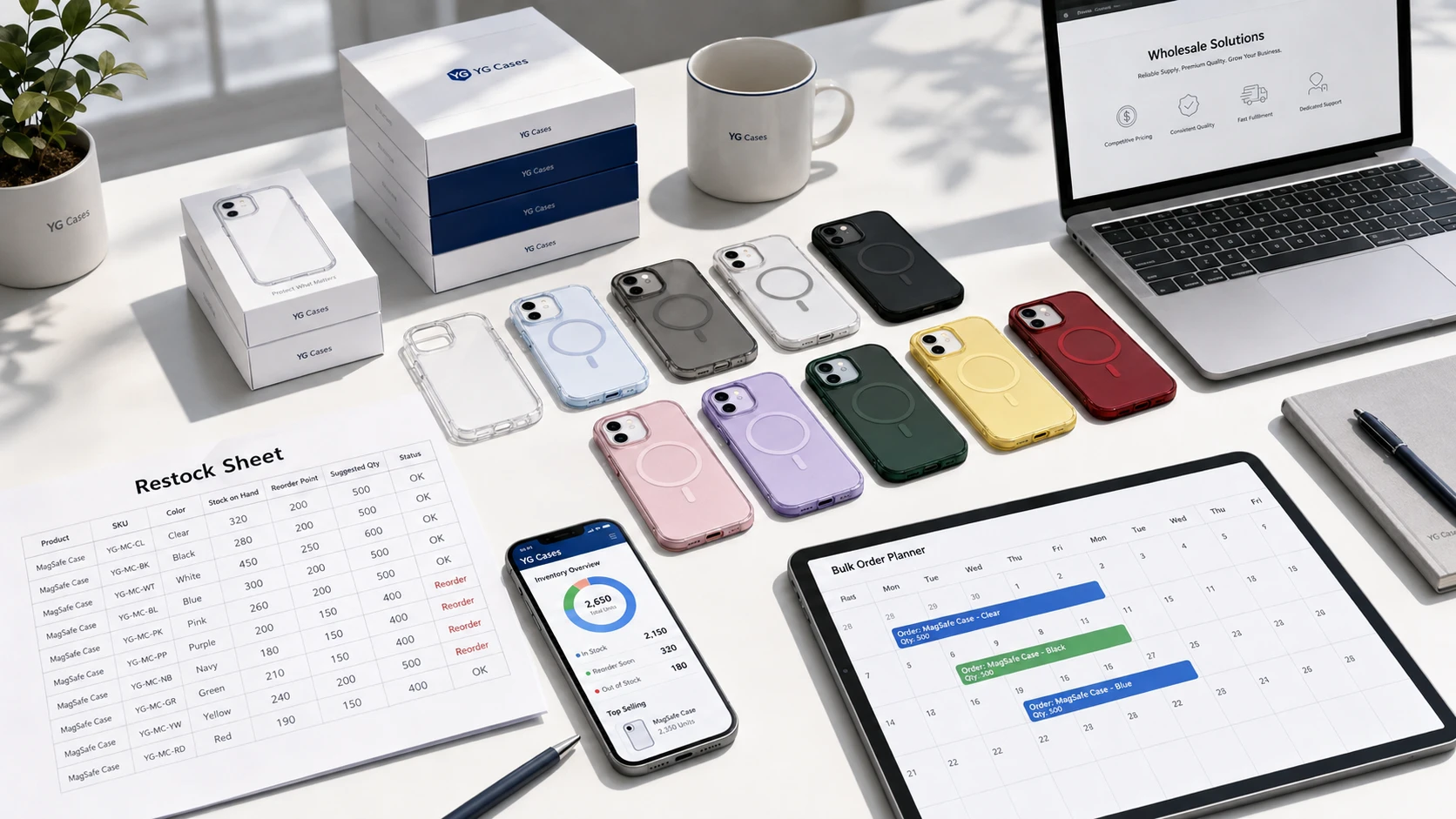
Packaging and Logistics for Wholesale Orders
Packaging Options for B2B Buyers
Packaging can be customized for branding:
- Retail boxes with inserts
- Eco-friendly kraft packaging
- Bulk packaging for cost efficiency
Export and Shipping Considerations
For international orders:
- Proper labeling and barcoding
- Compliance with import regulations
- Optimized carton packing to reduce shipping costs
How to Choose a Reliable OEM Phone Case Manufacturer
Key Criteria for Supplier Selection
When selecting a custom phone case manufacturer, consider:
- Production capacity and equipment
- Experience with global brands
- Certifications and compliance
Red Flags to Avoid
- Unusually low pricing
- Lack of QC processes
- Poor communication
Questions to Ask Before Partnering
- What is the minimum order quantity (MOQ)?
- What is the lead time for sampling and production?
- Can you provide compliance certificates?
Manufacturing for US and EU Brands
Compliance & Certification Requirements
Products must meet:
- RoHS and REACH standards
- Packaging waste regulations
- Labeling requirements
Customization Expectations
Western markets prioritize:
- Premium finishes
- Sustainable materials
- Strong brand identity
FAQ
What is the phone case manufacturing process step by step?
It includes design, material selection, mold creation, prototyping, mass production, finishing, QC, and packaging.
How long does it take to manufacture custom phone cases?
Typically, 2–4 weeks for tooling and sampling, plus 2–3 weeks for mass production.
What materials are best for durable phone cases?
TPU and PC combinations offer the best balance of flexibility and strength.
How do I ensure quality from a phone case factory?
Work with manufacturers that provide full QC reports and comply with international standards.
Conclusion
Understanding the phone case manufacturing process is essential for brands aiming to build competitive, high-quality products. From precision mold creation to advanced injection molding and strict quality control, every step contributes to the final product’s performance and market success.
Choosing the right OEM phone case manufacturer is equally critical. A reliable partner not only ensures consistent production but also supports your brand with engineering expertise, compliance knowledge, and scalable manufacturing capabilities.
If you are planning to develop or expand your phone case line, partnering with YG, an experienced phone case manufacturer, can significantly streamline your journey from concept to market.