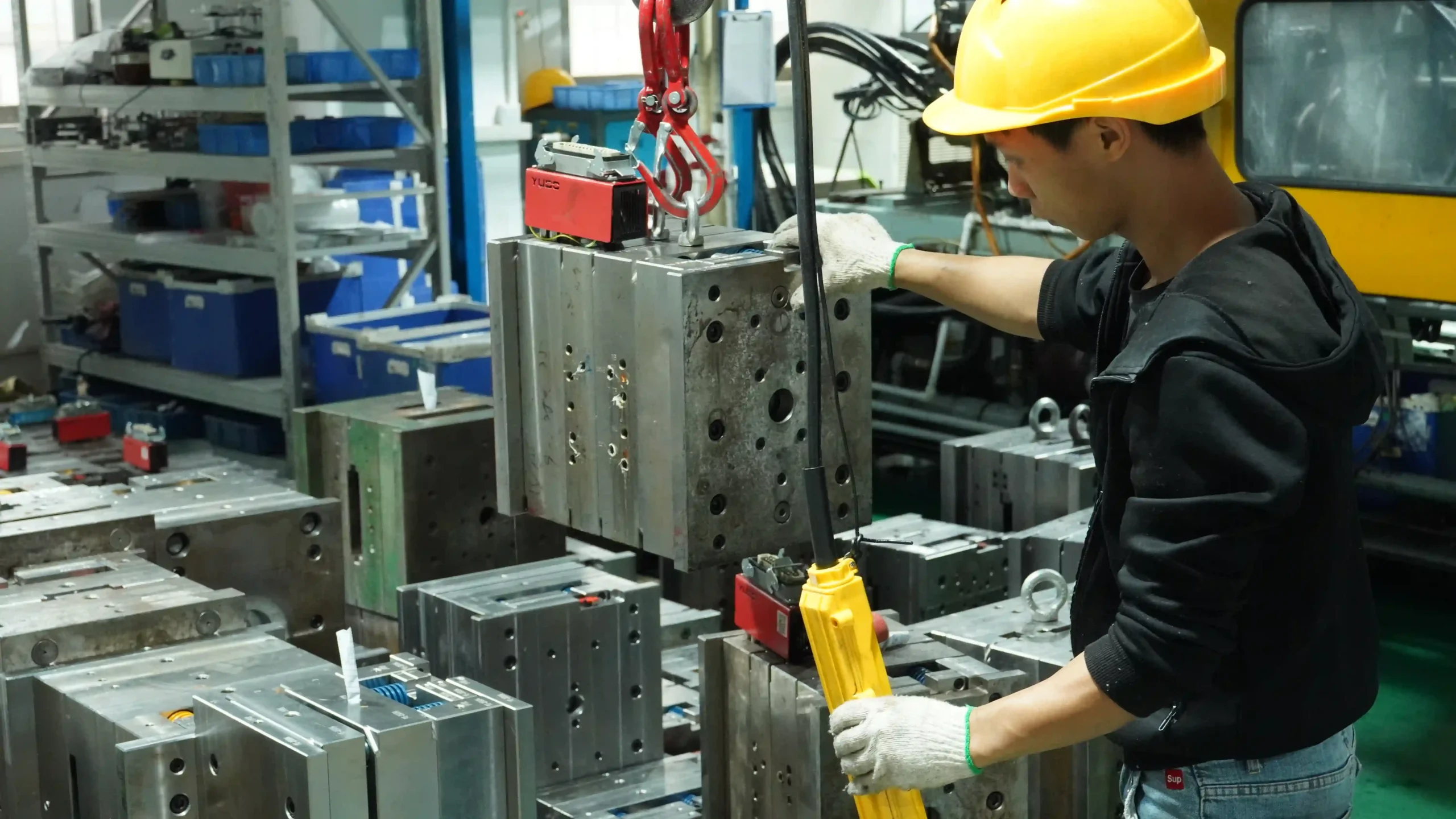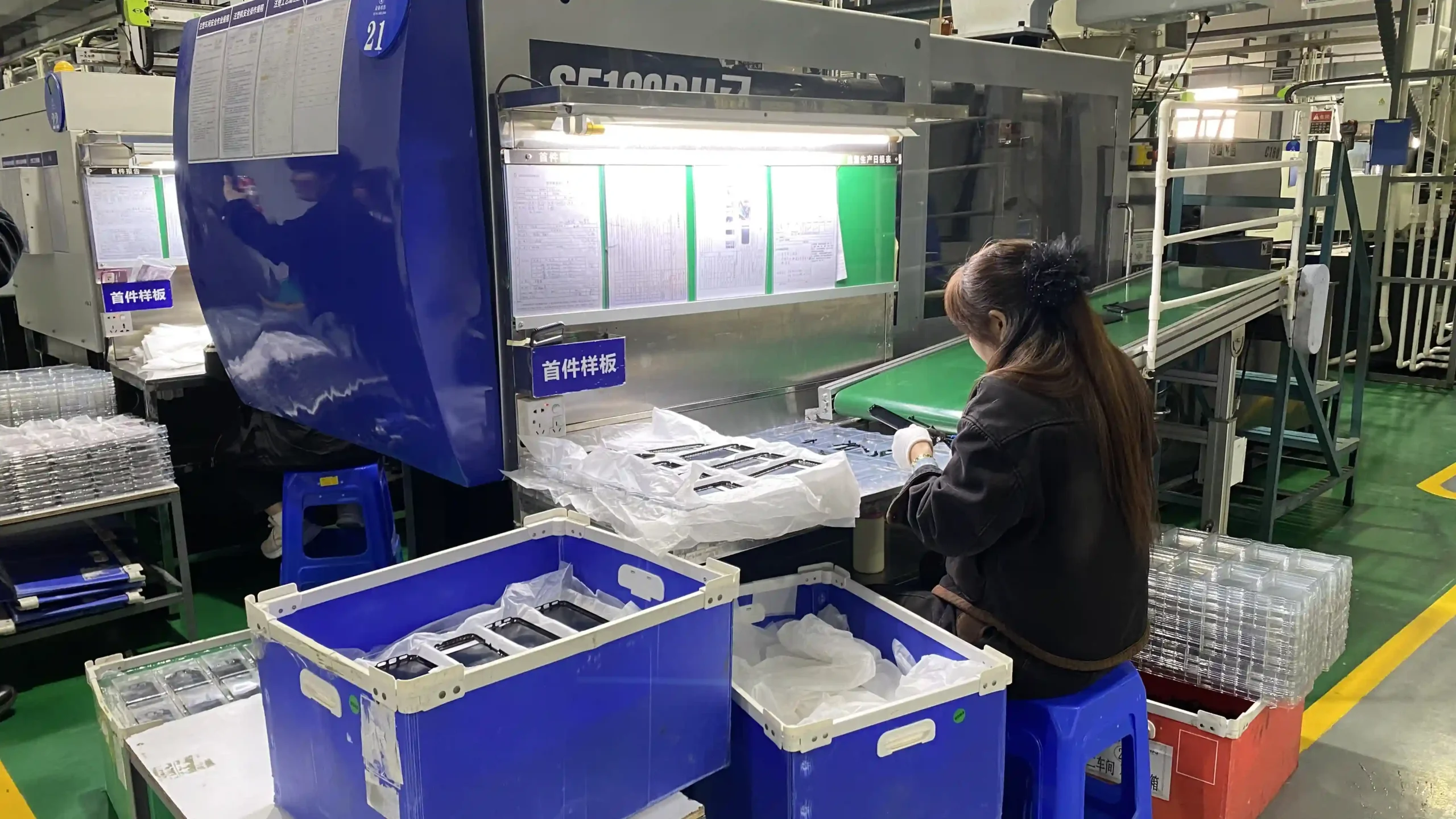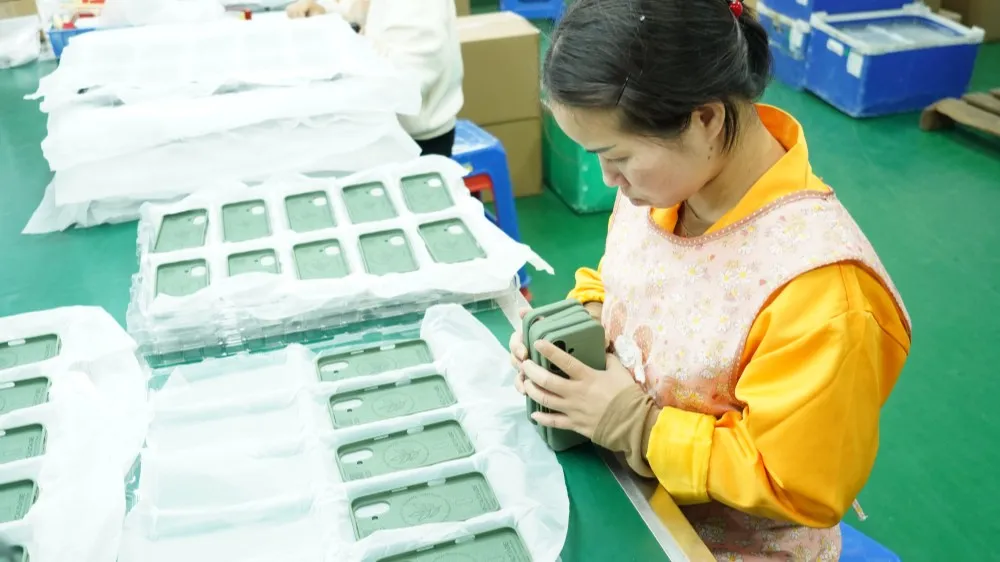
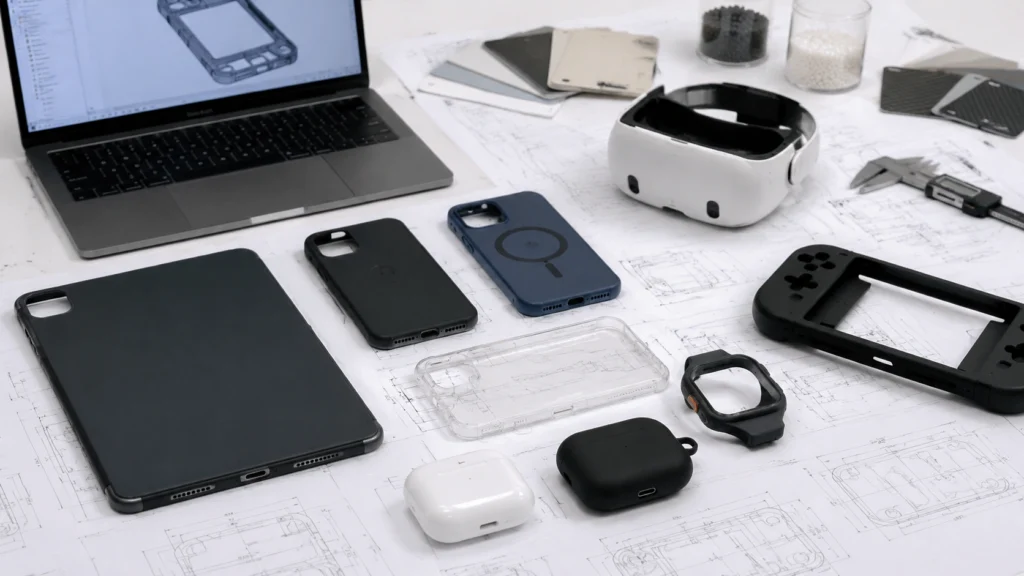
From phone cases and tablet covers to AR/VR housings and charging accessories, consumer electronics rely on plastic parts that must look clean, fit precisely, and stand up to daily use. For brands, plastic injection molding for electronics is one of the most reliable ways to turn a product design into a stable, scalable, and market-ready part.
YG supports this process with over a decade of phone case manufacturing experience and more than 30 years of mold making and injection molding expertise. We help brands develop custom 3C housings and protective cases through design review, DFM, tooling, injection molding, surface finishing, assembly, and packaging.
In this article, we’ll explain how electronics injection molding works, which parts and materials are commonly used, and what brands should consider before starting an electronics housing injection molding project.
Why Injection Molding Matters in Consumer Electronics
Table of Contents
ToggleConsumer electronics parts often need to balance appearance, protection, precision, and production efficiency. A plastic housing may look simple from the outside, but it usually needs to protect internal components, align with buttons and ports, support assembly, and maintain a consistent finish across large production runs.
This is why injection molding is widely used in consumer electronics. It allows brands to produce complex plastic parts with repeatable dimensions, stable quality, and scalable production speed.
For electronics brands, injection molding matters because:
- Housings need to protect PCBs, batteries, sensors, and connectors.
- Buttons, openings, and charging ports must align accurately.
- Materials must meet strength, flexibility, heat, or safety requirements.
- Surface finishes need to match the brand’s product style.
- Parts must be consistent from sampling to mass production.
Whether the project is a protective case, a device housing, or an internal structural part, injection molding electronics projects require careful planning before tooling begins.
Common Electronics Parts Made by Injection Molding
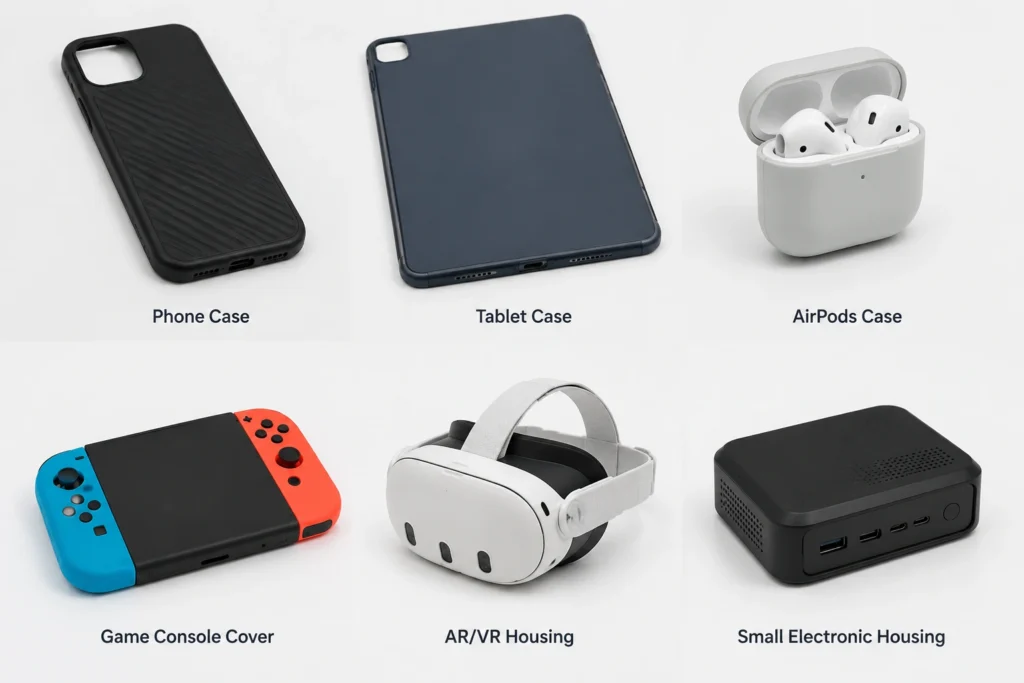
Injection molding can be used for many types of consumer electronics parts. For YG, the most relevant applications include protective cases, plastic housings, functional parts, internal components, and branded exterior parts.
| Part Type | Common Examples | Why Injection Molding Is Used |
|---|---|---|
| Protective cases and covers | Phone cases, tablet cases, MacBook hard shells, AirPods cases, game console covers | Provides accurate fit, repeatable quality, impact protection, and scalable production |
| Electronic housings | Remote control shells, charging device housings, smart device enclosures, AR/VR housings | Protects internal components such as PCBs, batteries, sensors, and connectors |
| Buttons and functional details | Power buttons, volume keys, sliders, port covers, connector caps | Supports precise feel, consistent dimensions, and reliable assembly |
| Internal structural parts | PCB holders, battery brackets, mounting clips, internal frames | Helps support internal components while keeping the product lightweight |
| Branded exterior parts | Decorative covers, logo plates, IMD/IML panels, custom color shells | Improves product appearance and brand recognition |
For YG, protective cases and exterior housings are the most relevant applications. Products such as phone cases, tablet cases, AirPods cases, Apple Watch cases, PS5 console covers, Nintendo Switch covers, and AR/VR housings all depend on accurate dimensions and stable material performance.
Even a small fit issue can affect the final product experience. Camera openings, side buttons, speaker holes, charging ports, MagSafe positions, snap-fits, and assembly gaps all need to be considered before tooling begins. This is why early design review, mold precision, shrinkage control, and material selection are important in plastic injection molding for electronics.
Materials Used in Plastic Injection Molding for Electronics
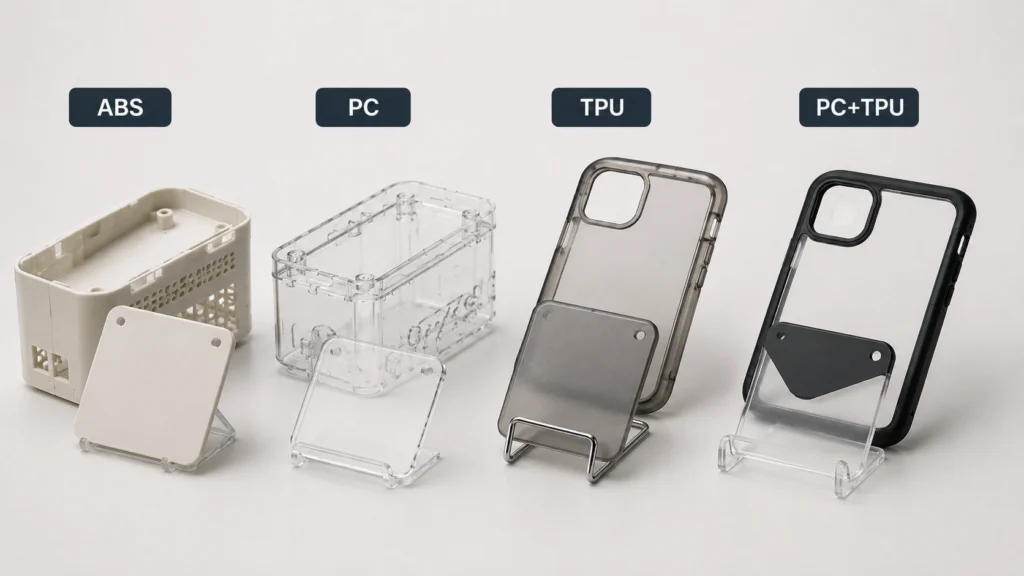
Material selection is one of the most important decisions in any injection-molded electronics project. The material affects strength, flexibility, impact resistance, surface finish, shrinkage, heat resistance, cost, and long-term durability.
| Material | Key Benefits | Common Applications | Things to Consider |
|---|---|---|---|
| ABS | Easy to mold, cost-effective, good strength | General electronic housings, remote control shells, internal parts | Not ideal for high transparency or strong UV exposure |
| PC | High impact resistance, good dimensional stability, premium feel | Hard protective cases, transparent parts, strong outer housings | Higher material cost than ABS |
| TPU | Flexible, shock-absorbing, scratch-resistant | Phone cases, wearable accessories, soft protective parts | May need anti-yellowing or surface treatment for clear parts |
| PC + TPU | Combines rigid protection with flexible shock absorption | Hybrid phone cases, tablet cases, rugged protective covers | Requires careful mold and assembly planning |
| TPE / Silicone | Soft touch, flexible, comfortable grip | Wearable accessories, soft-touch parts, protective sleeves | Material selection depends on feel, hardness, and durability needs |
| Recycled / bio-based plastics | Supports sustainability goals and eco-friendly product lines | Eco phone cases, branded accessories, packaging-related parts | Must still meet molding, strength, and quality requirements |
There is no single best material for every electronics project. The right choice depends on the product’s function, appearance, flexibility, impact resistance, heat resistance, and cost target.
For example, a rigid electronic housing may need ABS or PC for strength and dimensional stability, while a protective case may use TPU or a PC + TPU structure for shock absorption. If the product requires a soft-touch feel, sustainable positioning, or a transparent appearance, the material and finishing process should be reviewed together before mold design.
At YG, material selection is usually reviewed together with DFM, tooling, surface finishing, and assembly requirements. This helps brands avoid problems such as poor fit, weak structure, color inconsistency, yellowing, or unstable mass production.
Key Manufacturing Processes for Electronics Injection Molding
Different electronics projects require different molding processes. The right choice depends on the product structure, material combination, appearance requirements, and production volume.
| Process | Best For | Typical Product Examples |
|---|---|---|
| Standard injection molding | Single-material plastic parts with stable dimensions | Hard cases, housings, covers, brackets, protective shells |
| 2K molding | Parts that combine two materials or two colors in one molded structure | Hybrid protective cases, soft-grip areas, two-color accessories |
| Overmolding | Adding a soft layer over a rigid base for grip, protection, or sealing | TPU over PC cases, shock-absorbing edges, soft-touch handles |
| Insert molding | Molding plastic around metal or pre-formed parts | Metal inserts, threaded parts, brackets, reinforced structures |
| IMD / IML | Durable decoration integrated into the molded part | Premium phone cases, game controller covers, branded exterior panels |
The best molding process depends on how the part needs to perform. A simple hard shell may only need standard injection molding, while a protective accessory with both rigid and soft areas may require 2K molding or overmolding. For products with metal inserts, threaded parts, or reinforced structures, insert molding may be more suitable.
For branded consumer electronics, decoration also needs to be considered early. IMD and IML can create durable graphics and premium surface effects, but they should be planned before tooling, not added as an afterthought.
Choosing the right process early helps reduce tooling changes, improve part consistency, and make the project easier to scale from sample approval to mass production.
Design Factors That Affect Electronics Housing Injection Molding
A successful electronics housing injection molding project starts before the mold is made. Many molding defects and assembly problems can be prevented during the design and DFM stage.
| Design Factor | Why It Matters | Common Risk If Ignored |
|---|---|---|
| Wall thickness | Helps maintain strength, weight, flow, and cooling balance | Sink marks, warping, short shots, weak areas |
| Draft angles | Allows the part to release smoothly from the mold | Scratches, deformation, difficult ejection |
| Ribs | Adds strength without making the wall too thick | Sink marks, uneven cooling, visible surface defects |
| Screw bosses | Supports screws and assembly points | Cracking, weak fastening, cosmetic sink marks |
| Snap-fits | Reduces screws and simplifies assembly | Broken clips, loose fit, difficult assembly |
| Gate location | Affects filling, appearance, weld lines, and gate marks | Flow lines, visible marks, poor cosmetic surface |
| Shrinkage and tolerance | Ensures accurate fit after cooling | Misaligned ports, loose covers, poor button feel |
Good DFM review can prevent many problems before the mold is made. For electronics housings and protective cases, small design details often affect both appearance and assembly.
A wall that is too thick may create sink marks. A snap-fit that is too tight may break during assembly. A poor gate location may leave visible marks on a cosmetic surface. A tolerance issue may cause misaligned ports, loose covers, poor button feel, or visible gaps.
This is why YG reviews wall thickness, draft angles, ribs, bosses, snap-fits, gate location, shrinkage, and tolerance before tooling. The goal is not only to make the part moldable, but to make it stable, repeatable, and ready for mass production.
Common Challenges in Injection Molded Electronics Parts
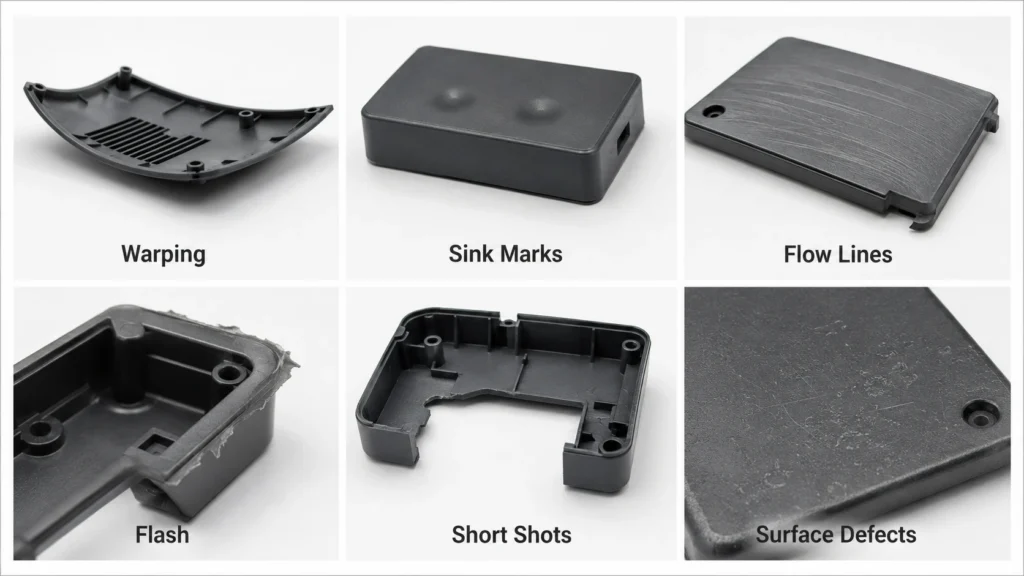
Even with a good design, electronics injection molding can still face production challenges. These issues are especially important for cosmetic plastic housings and protective accessories, where both appearance and function matter.
| Issue | What It Looks Like | Possible Cause |
|---|---|---|
| Warping | The part bends, twists, or does not sit flat | Uneven cooling, poor wall thickness, material shrinkage |
| Sink marks | Small depressions on the surface | Thick ribs, bosses, or uneven wall sections |
| Flow lines | Visible streaks or patterns on the cosmetic surface | Poor gate location, material flow issues, low mold temperature |
| Flash | Thin excess plastic around edges or parting lines | Mold wear, poor clamping, incorrect processing parameters |
| Short shots | Some areas are not filled | Thin walls, poor flow, low injection pressure |
| Poor fit | Parts do not assemble correctly | Tolerance issues, shrinkage miscalculation, mold deviation |
| Color variation | Different batches look inconsistent | Material batch difference, pigment mixing, process instability |
| Surface defects | Scratches, gloss variation, marks, or texture problems | Mold surface issue, ejection problem, poor finishing control |
For brands, these molding issues are not just technical problems. They can affect product launch schedules, defect rates, customer reviews, and return rates.
Many defects are caused by a combination of part design, material choice, mold structure, processing parameters, and quality control. Solving them early is usually easier and less costly than fixing them after mass production starts.
YG helps reduce these risks through DFM analysis, Moldflow simulation, mold optimization, material verification, T1 sample review, production monitoring, and cosmetic inspection.
Surface Finishing and Branding for Consumer Electronics
For consumer electronics, the surface is part of the product experience. A part may function well, but if the surface looks cheap or feels poor, customers will notice.
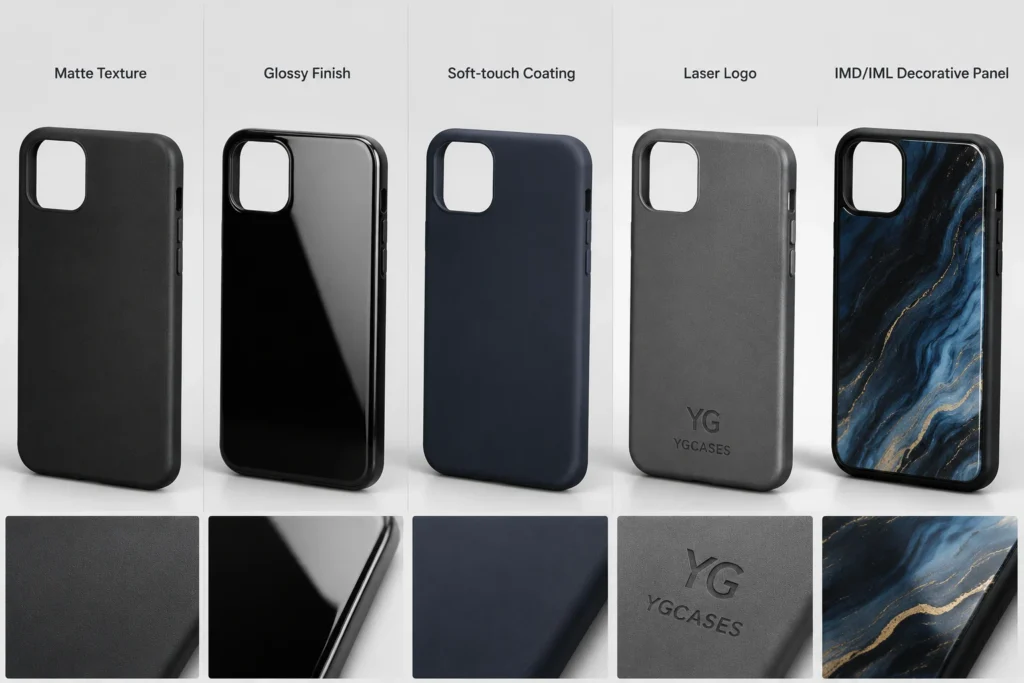
Common finishing and branding options include:
- UV coating
- Soft-touch painting
- Matte texture
- Glossy finish
- NCVM plating
- Laser etching
- Pad printing
- Embossed or debossed logos
- IMD / IML decoration
- Custom color matching
These processes help brands create a consistent product identity across phone cases, tablet cases, AirPods cases, game console covers, AR/VR housings, and other plastic accessories.
When planning a finish, brands should consider scratch resistance, touch feel, color consistency, logo durability, and production cost. A glossy surface may look premium but show scratches more easily. A matte texture may improve grip but require proper draft angles. IMD and IML can provide durable decoration, but they must be planned early in the mold and product design stage.
From Prototype to Mass Production
A reliable plastic injection molding for electronics project should follow a clear development process. This helps brands reduce risk before tooling and avoid unnecessary delays during mass production.
At YG, a typical workflow includes:
- Product idea and requirements review
- 3D design or structural optimization
- DFM analysis and material selection
- Prototype by CNC machining or 3D printing
- Mold design and mold fabrication
- T1 mold trial and sample review
- Mold adjustment and golden sample approval
- Mass injection molding
- Surface finishing and assembly
- Packaging, inspection, and shipment
This process ensures that the product is not only attractive but also manufacturable, repeatable, and ready for market.
For example, during the prototype stage, brands can check fit, appearance, material feel, and assembly structure before investing in full tooling. During the mold trial stage, the factory can review shrinkage, gate marks, surface quality, and part tolerance. Before mass production, the approved golden sample becomes the reference standard for quality control.
Why Work With an Experienced Electronics Injection Molding Partner
Choosing a factory for plastic molding for electronics is not only about price. A low mold cost may look attractive at first, but it can become expensive if the part fails testing, does not fit the device, or creates high defect rates in production.
A strong manufacturing partner should understand:
- Product design and DFM
- Mold structure and gate placement
- Material shrinkage and performance
- Cosmetic surface requirements
- Assembly and functional testing
- Packaging and global delivery
- Brand confidentiality and NDA protection
YG combines long-term mold making and injection molding expertise with years of experience in 3C protective accessories. This allows us to support not only standard phone case projects, but also tablet cases, wearable accessories, AR/VR housings, game console covers, custom electronic housings, multi-material parts, branded accessories, and retail-ready products.
For brands, the right partner can help reduce development risk, improve production stability, and bring products to market more efficiently.
Conclusion
Plastic injection molding plays an important role in consumer electronics because it allows brands to produce durable, lightweight, precise, and scalable plastic parts.
From phone cases and tablet covers to AR/VR housings, AirPods cases, game console covers, charging accessories, wearable products, and internal structural components, injection molding electronics projects require more than a mold. They require the right material, practical product design, accurate tooling, stable production, and strict quality control.
If your brand is developing a custom electronics housing, protective case, or injection-molded 3C accessory, YG can help you move from concept to production with integrated design, prototyping, tooling, injection molding, finishing, assembly, and packaging support.
Contact YG to discuss your next custom electronics injection molding project.