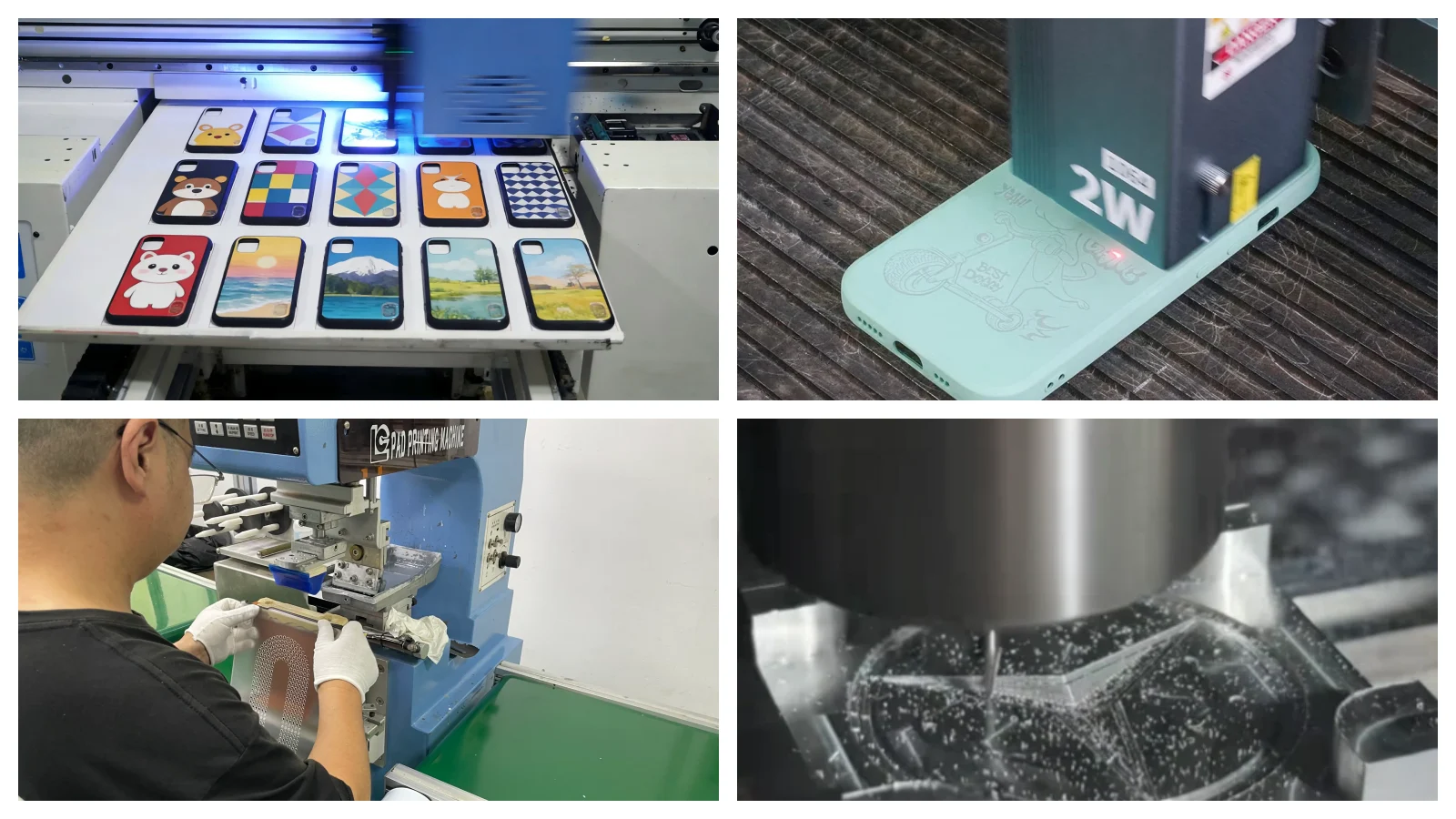
As is well known, a logo is not merely a symbol – it is the image of a brand and a key factor for customer recognition. But have you ever been troubled by choosing the right method for the mass production of the correct logo?
As a professional case manufacturer specializing in providing OEM and ODM services for mobile phone brands, YG has analyzed the most reliable logo production methods suitable for OEM/ODM projects. We will compare costs, quality, and applicability to help you make the best decision.
The Importance of Brand Logo Customization
Table of Contents
ToggleYour logo directly determines the quality level and brand characteristics of your products. An ill-designed logo may damage your reputation and increase post-sale issues.
In the OEM/ODM production process, the logo design technology you choose will affect production efficiency, delivery time, and even the customer’s repeat purchase rate.
Planning your logo design process (from the initial design stage to the large-scale mass production stage) as early as possible can save you time, reduce costs, and lower supply chain risks.
Professional Logo Production Methods for Mass Production
Screen Printing
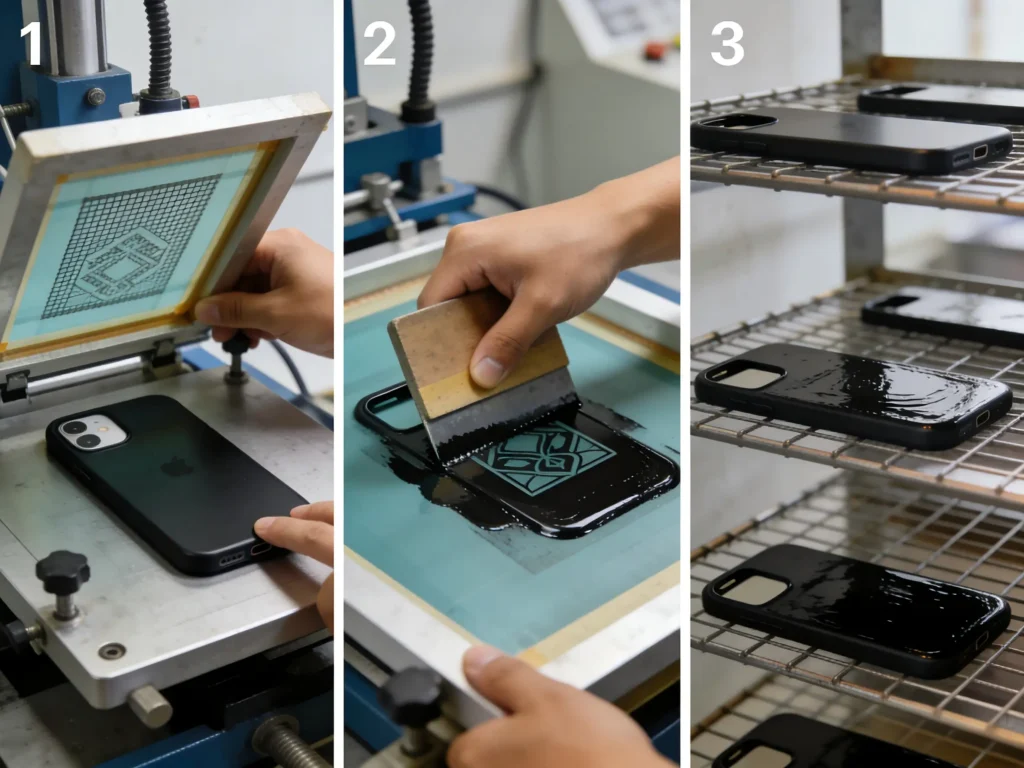
Screen printing is the most common method in large-scale production. It transfers ink onto the surface of a mobile phone case using a mesh plate.
This process is suitable for PC, TPU, and hard plastic casings, ensuring stable colors and high cost-effectiveness. It is a method that can guarantee quality while also considering cost-benefit.
Its advantage lies in its fast production speed, making it ideal for the production of large-scale orders.
Pad Printing
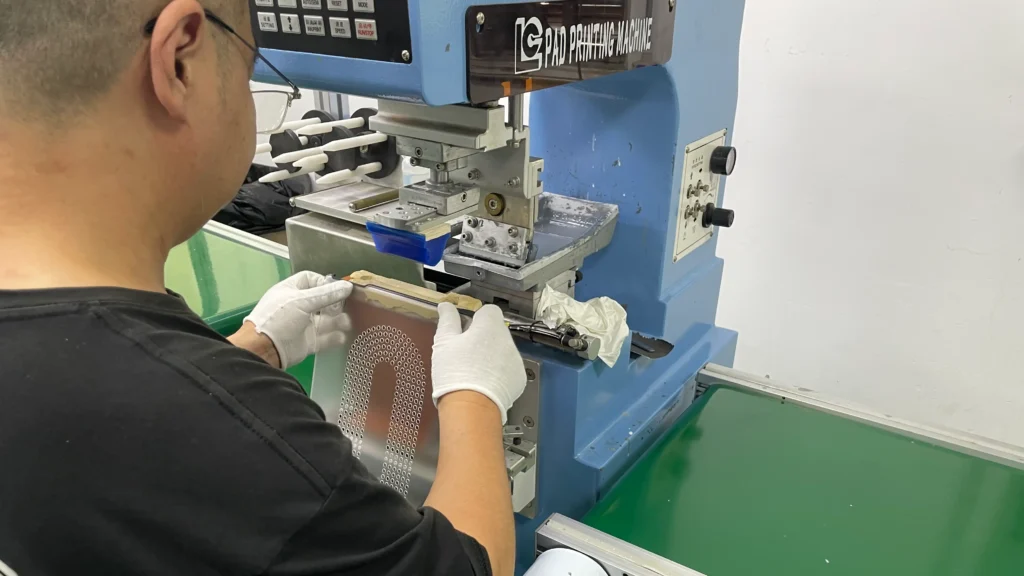
Pad printing uses a silicone pad to transfer ink, making it highly suitable for curved, irregular, or edge areas of phone cases.
It works well with TPU and soft materials for phone cases, addressing the issue of marking pattern deformation on non-smooth surfaces.
This is an economical solution for small to medium-sized markings and irregular designs.
UV Printing
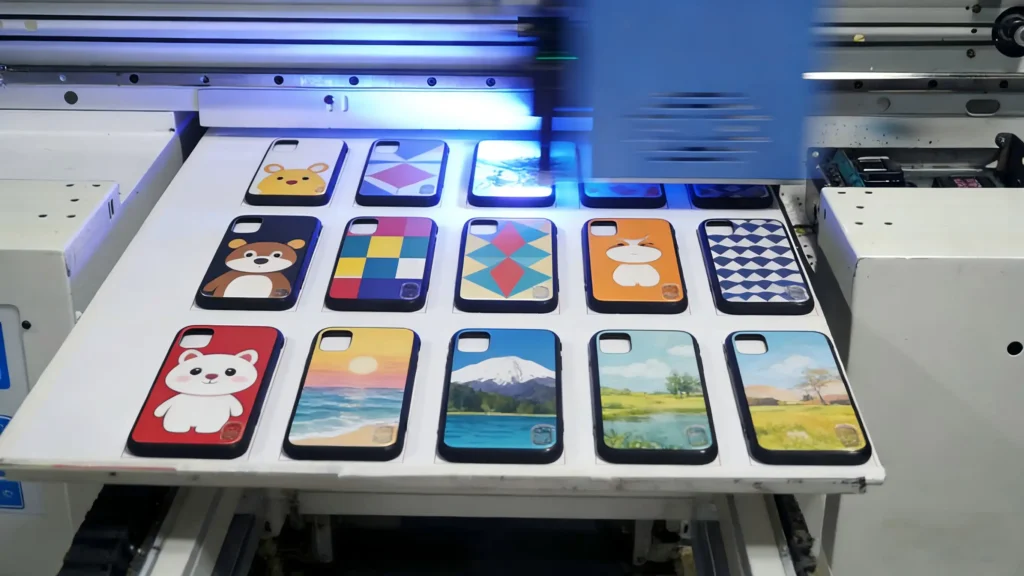
UV printing is a digital technology that uses ultraviolet light to cure ink, enabling the creation of complex patterns, gradient effects, and multi-color labels.
There is no need for plate-making, making it ideal for brands with unique and detailed logo designs.
It is suitable for most materials and can quickly complete production tasks ranging from small batches to medium batches.
Hot Stamping / Foil Stamping
The hot stamping technology uses heating and pressure to imprint metals or colored foils onto the phone cases, creating a high-end and shiny surface effect.
This technology is highly suitable for high-end brands, adding a sense of luxury to your products and enhancing their value perception in the minds of consumers.
It works best on smooth surfaces (such as plastic and leather cases), ensuring long-lasting luster.
Laser Engraving
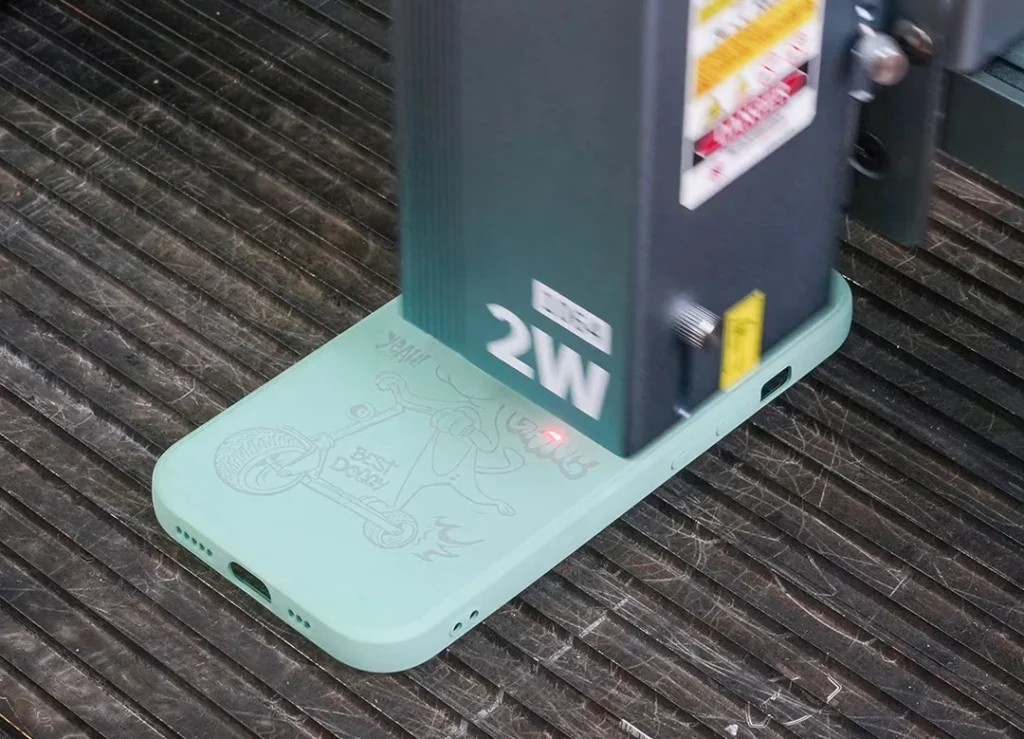
Laser engraving technology uses a laser to etch patterns on the surface of products, creating a matte, permanent mark that does not require ink.
It has the characteristics of being wear-resistant and environmentally friendly, and is very suitable for brands with a minimalist style. Do you prefer a more understated and restrained logo?
It applies to PC, metal, and acrylic cases, and has high precision and consistency in large-scale production.
CNC Engraving / CNC Carving
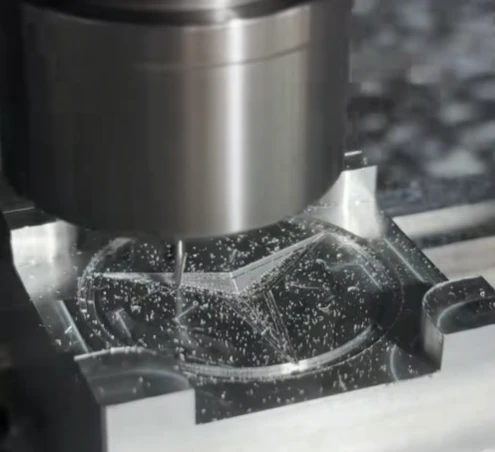
CNC engraving is a precise technique that uses computer-controlled tools to create three-dimensional, deep recessed, or stepped logos.
It can achieve a strong three-dimensional effect and excellent texture, making it the preferred logo design method for high-end brands. Have you ever considered using three-dimensional logos to make your products more distinctive?
Suitable for PC, acrylic, and metal casings, and can ensure extremely high precision and stability in large-scale production.
Debossing & Embossing
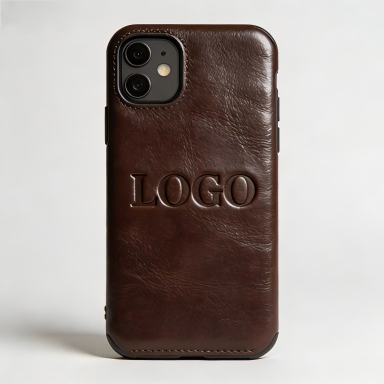
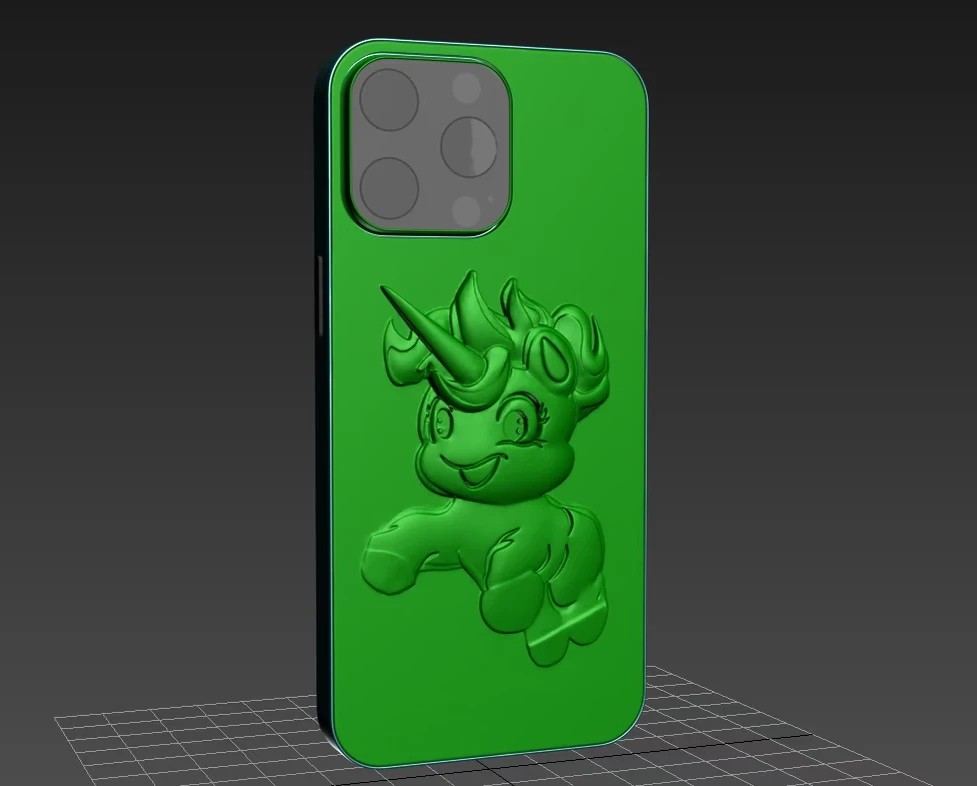
Gravure (depression type) and embossing (elevation type) can create textures without the use of ink. The logo is pressed onto the product shell using a mold.
This is very suitable for brands that pursue a simple and professional appearance.
It applies to leather, plastic, and hard plastic shells, being sturdy and durable, and providing a high-quality user experience.
Comparison of Costs for 7 Printing Methods
Understanding the cost composition of each marking method is crucial for optimizing the budget. Let’s analyze these costs from the perspective of professional manufacturers.
The setup costs (molds, screens, or tools) vary – the setup costs for screen printing and pad printing are lower, while CNC engraving and hot stamping require higher initial investment.
The unit cost decreases as the production volume increases, so brands with high production volumes are suitable for using screen printing or pad printing techniques.
Mid-range brands can balance quality and cost by using UV printing or laser engraving. High-end brands may prioritize CNC engraving or hot stamping technologies to achieve unique texture effects.
Delivery time also has an impact on costs – for example, the production cycle of UV printing is shorter, while CNC engraving, although time-consuming, produces products of unparalleled quality.
Analysis of the Quality and Durability of Logos
The durability of your company’s logo directly affects consumer satisfaction. No brand would want to see its logo fade or peel off after just a few uses, would they?
Laser engraving and CNC engraving are the most durable – they are permanent and can resist scratches, wear, and the erosion of ultraviolet rays.
If high-quality ink is used, screen printing and UV printing have good durability, but if they are used frequently and under excessive pressure, their colors may fade over time.
Hot stamping, embossing, and debossing are long-lasting, but they need proper handling to avoid damage.
Consistency is also crucial – check if your manufacturer can ensure that the quality of the logo patterns in different batches remains consistent.
Moreover, all methods should comply with international environmental protection standards and use non-toxic materials to avoid supply chain risks.
How to Choose the Best Logo Design Method for Your OEM/ODM Project
Choosing the right method depends on your brand positioning, product material, and production requirements. Let us simplify this decision-making process for you.
If your brand is targeting the mass market and focuses on cost and production volume, screen printing or pad printing is your best choice. These two printing methods have high output and low unit cost.
For mid-range brands that prioritize cost-effectiveness, UV printing or laser engraving can provide high-quality products without exceeding the budget.
High-end brands should consider using CNC engraving, hot stamping, or embossing techniques to showcase their luxury and uniqueness. These methods can make your products stand out.
Don’t forget to choose the appropriate processing method based on your specific materials – TPU is suitable for embossing technology, while PC is very suitable for CNC engraving and laser engraving.
During the original design and manufacturing (ODM) stage, collaborate with your manufacturer to integrate the brand logo into the product design to achieve a more ideal result.
Conclusion
The brand logo on the phone case is a key factor for the success of the brand. Choosing the appropriate customization method can enhance quality, reduce costs, and increase customer loyalty.
Whether you are a brand targeting the mass market or a high-end brand, YG has the relevant expertise and equipment to realize your logo in large-scale production.
Partner with YG – become your trusted OEM and ODM manufacturer for phone cases. Contact us immediately to obtain professional brand logo solutions.