Have you noticed more people using eco-friendly phone cases? It’s not just a trend—it’s a significant shift. The market for eco-friendly phone cases is expanding rapidly. Experts predict it could grow from $18.3 billion in 2024 to $47.68 billion by 2032. What’s driving this change? Approximately 70% of millennials are willing to pay more for green products. Younger generations are at the forefront of this movement, and companies are taking notice. As an ECO friendly phone case manufacturer, they utilize materials like plant-based plastics and recycled materials to create durable, stylish, and environmentally conscious cases that align with your values.
Key Takeaways
Green phone cases are becoming more popular. The market may grow from $18.3 billion in 2024 to $47.68 billion by 2032.
Materials like plant-based plastics and bamboo come from nature. They lower pollution and still protect phones well.
Picking biodegradable cases helps reduce e-waste. These cases break down naturally and don’t hurt the planet.
Cool designs made with bio-materials look great and support eco-friendly choices. Being green can be stylish!
Buying from eco-friendly brands helps the Earth. It also supports better, greener ways to make products.
Understanding Bio-Based Materials
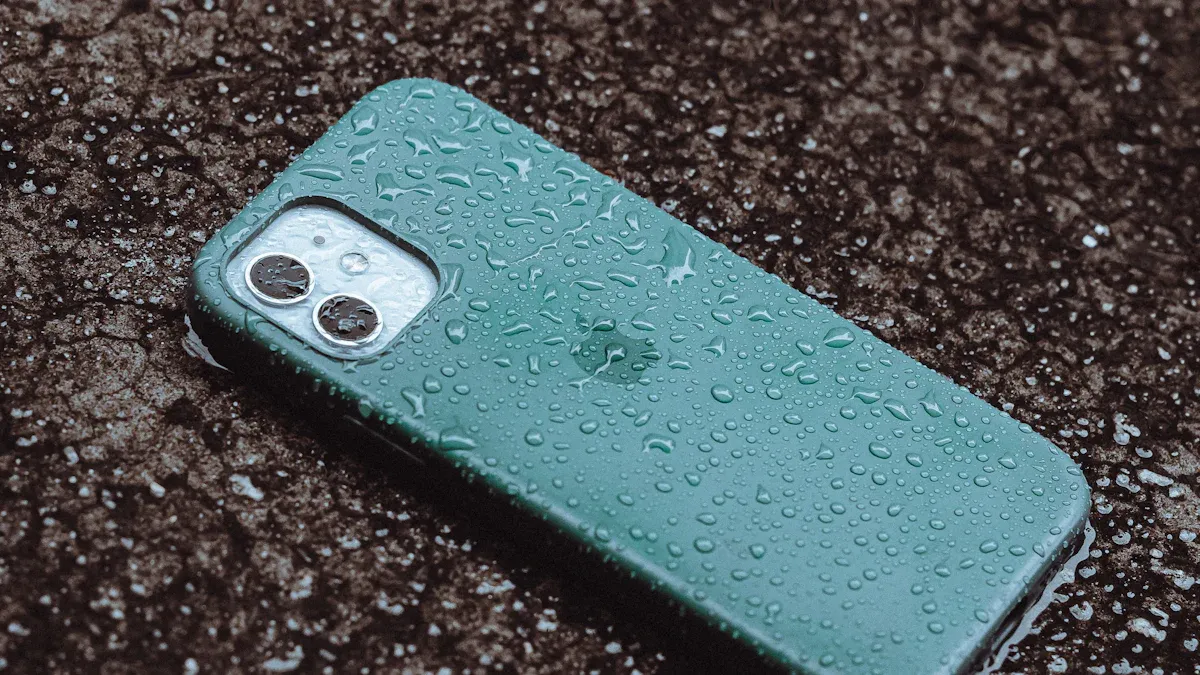
What Are Bio-Based Materials?
You might have heard of “bio-based materials.” But what are they? These materials come from living things like plants or animals. Unlike regular plastics made from oil, bio-based materials are renewable. They also store carbon while growing, making them eco-friendly. People use them for packaging, clothes, and even phone cases.
For phone cases, materials like plant-based plastics or bamboo are popular. They’re good for the planet and work well too. By picking these products, you help the environment and lower your carbon footprint.
Unique Properties of Bio-Based Materials
Bio-based materials have special features that make them stand out. First, they need less water and energy to produce. This helps protect the Earth. Second, they release less CO2 than regular plastics, fighting climate change. Studies say they can cut greenhouse gases by 45% compared to fossil-based plastics.
Another great thing? Many bio-based materials break down naturally. For example, PLA (polylactic acid) is made from plants. It’s strong like plastic but decomposes over time. This makes it a great choice for durable, eco-friendly phone cases.
Differences Between Bio-Based Materials and Traditional Plastics
How are bio-based materials different from regular plastics? The main difference is where they come from. Regular plastics are made from oil, which isn’t renewable. They take hundreds of years to break down and often pollute land and water. Bio-based materials, on the other hand, are renewable and decompose faster.
Take the Pela Case as an example. It’s made from bioplastic and flax straw. It can break down in about six months in a compost facility. Regular plastics, however, can last forever without breaking down. While bio-based materials aren’t always recyclable, their shorter life makes them better for the planet.
Benefits of Bio-Based Materials in Phone Case Manufacturing
Environmental Sustainability
Picking a phone case made from bio-based materials helps the Earth. These materials come from plants, not fossil fuels. This lowers our use of non-renewable resources. They are also made to create less waste.
Here’s how bio-based materials help the planet:
They release less carbon during production.
They can be reused in manufacturing, reducing trash.
Many break down naturally instead of piling up in landfills.
For example, bamboo or PLA (polylactic acid) cases decompose over time. This cuts down on electronic waste. Supporting eco-friendly phone case makers promotes reusing and composting materials.
Durability and Performance
You might think bio-based materials aren’t as strong as regular plastics. But they are! These materials work just as well, or even better, in daily use. Bio-based phone cases are 21% tougher in drop tests. They resist scratches and are lightweight.
PLA is a great example. It’s strong enough to protect phones but can still compost. Natural fibers in some cases are also sturdy and last long. Many bio-based materials even fight bacteria, keeping your case cleaner.
Innovation in Design and Functionality
Bio-based materials aren’t just eco-friendly—they’re changing designs too. Makers mix natural fibers and polymers to create stylish, useful cases. Programs like “Materials for the Future” focus on lowering emissions with natural fibers.
Here’s how innovation is shaping phone cases:
Innovation Program/Index | What It Does |
|---|---|
Materials for the Future | Uses natural fibers to cut emissions and support eco-friendly goals. |
Bio-Based Composite Market | Combines fibers and polymers for greener, better alternatives. |
These new ideas mean phone cases can be modern and Earth-friendly. Choosing eco-friendly brands supports smart designs that match your values.
Examples of Bio-Based Materials in Phone Cases
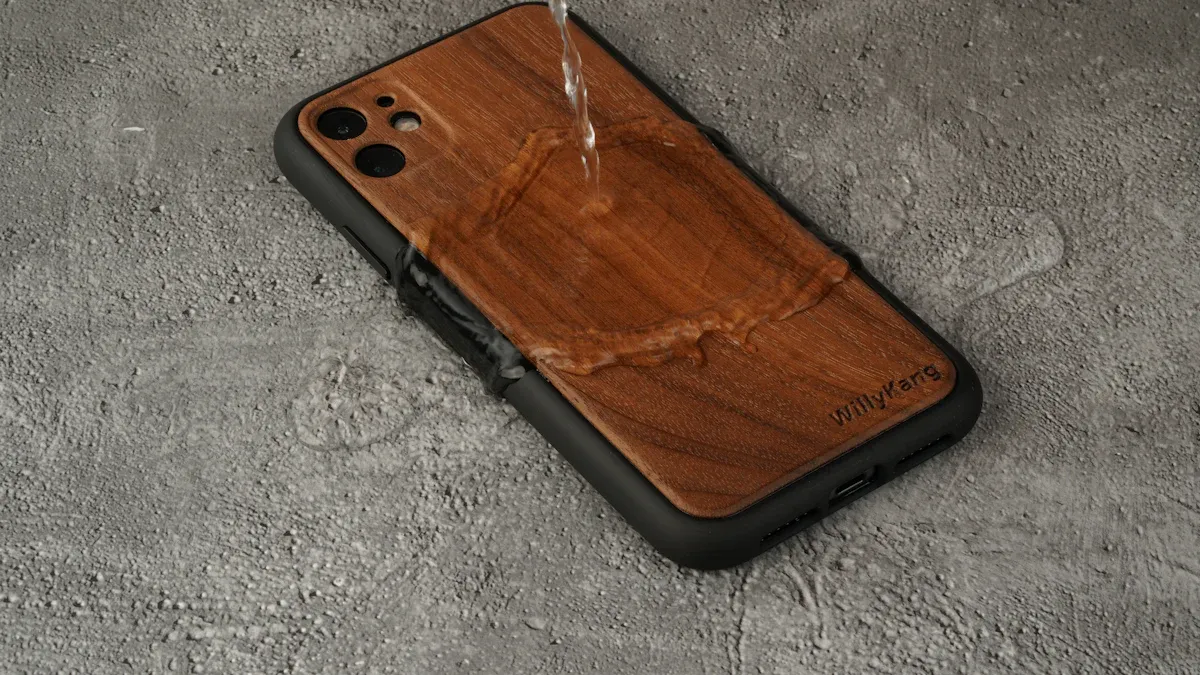
Plant-Based Polymers
Plant-based polymers are changing how phone cases are made. These materials come from plants like corn and sugarcane. They are a greener choice than regular plastics. One example is PLA (polylactic acid). It’s made from plants but is strong like plastic. The best part? It breaks down naturally over time.
More people want eco-friendly products, pushing companies to innovate. A study found 70% of millennials will pay more for green items. This demand has led to materials like cornstarch-based bioplastics. These materials use fewer fossil fuels and cut greenhouse gases.
Aspect | Details |
|---|---|
Material Innovations | Bioplastics from plants like cornstarch and sugarcane replace regular plastics. |
Environmental Statistics | Over 300 million tons of plastic are made yearly, much of it polluting land and water. |
Choosing plant-based phone cases helps the planet and lowers waste.
Biodegradable Materials
Biodegradable materials make sustainability even better. These materials break down naturally, leaving no harmful trash. Bamboo and PLA are popular choices for phone cases. Bamboo grows fast, is renewable, and very strong. PLA is tough and eco-friendly, making it a top pick for biodegradable cases.
Why do biodegradable materials matter?
They cut down on e-waste by breaking down naturally.
They use renewable resources like bamboo and PLA.
They support recycling and responsible material use.
For example, D3O® Bio is used in some phone cases. It’s made with 52% renewable resources. It also uses less water and energy, lowering CO2 emissions. Picking biodegradable phone cases helps reduce landfill waste and protect nature.
Recycled Bio-Based Materials
Recycled bio-based materials are another cool idea for phone cases. These materials reuse waste to make stylish, useful cases. Some companies use recycled bioplastics or plant fibers. This method cuts waste and saves resources.
Recycled materials are good for the Earth and save money. They lower costs and reduce the need for new materials. Many eco-friendly brands now use these practices to meet growing demand.
By picking phone cases made from recycled materials, you help the planet. It’s an easy way to lower your carbon footprint and make a difference.
Challenges and Opportunities for ECO Friendly Phone Case Manufacturers
Cost and Affordability
Eco-friendly products often cost more than regular ones. This includes phone cases made from bio-based materials. Why are they pricier? Making plant-based plastics or biodegradable materials is expensive. Special tools and smaller production sizes increase costs.
But there’s good news! As more people want these products, prices are dropping. Companies are using recycled materials like old plastics and plant fibers. These materials cut waste and lower costs.
Here’s a simple table comparing materials used in phone cases:
Material Type | What It Means |
|---|---|
Bio-based | Made from plants or renewable sources, not oil. |
Biodegradable | Breaks down naturally without harming the environment. |
Recyclable | Can be reused instead of thrown away. |
Recycled | Created from waste materials like old plastics. |
Compostable | Breaks down fully, leaving no harmful leftovers. |
Making eco-friendly cases affordable is tough. But with new ideas and support, cheaper options are possible.
Scalability and Production Challenges
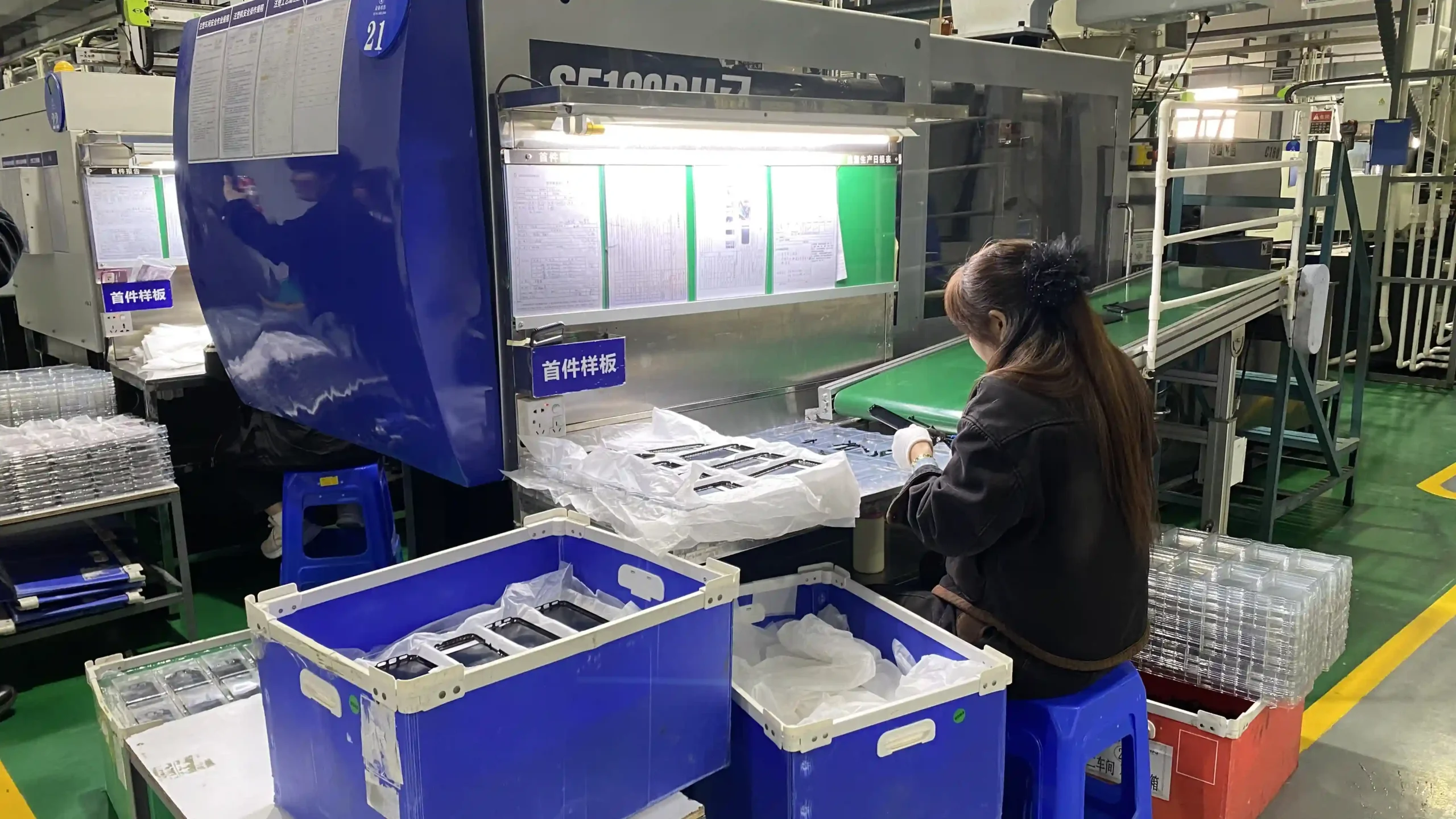
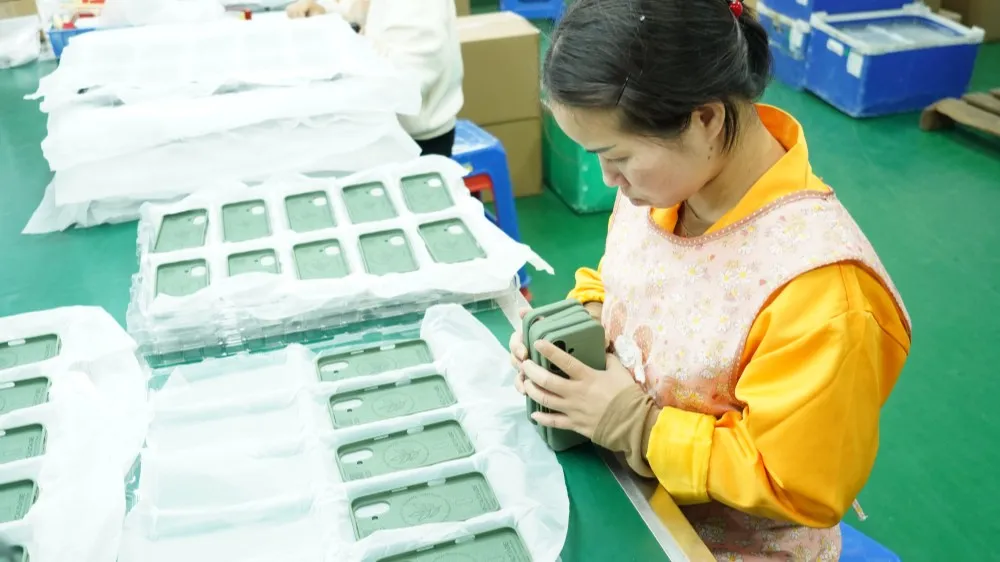
Making more eco-friendly cases is hard. It needs new machines, materials, and methods. Most factories are built to make plastic cases. Switching to bio-based materials takes time and money.
Why not switch everything at once? It’s not easy. Bio-based materials act differently, like melting at lower temperatures. Factories need to adjust their processes. Also, finding enough bamboo or PLA can be tricky as demand grows.
Still, there’s hope. Companies are working together to share tools and ideas. This teamwork helps them make more eco-friendly cases faster. As more brands go green, production will get easier.
Educating Consumers on Sustainability
Many people don’t know what terms like “biodegradable” or “compostable” mean. Teaching customers is important for promoting eco-friendly cases. When people learn about these materials, they make better choices.
For example, compostable materials break down completely without harming nature. Recycled materials turn trash into useful products. Sharing these facts helps people see why eco-friendly options matter.
Brands are helping by using clear labels and ads to explain these terms. Some even let you return old cases for recycling or composting. These efforts teach people and build trust with buyers like you.
The Future of Phone Case Manufacturing
New Ideas in Bio-Based Materials
Phone case manufacturing is changing with bio-based materials. Scientists are finding ways to improve these materials. They are making plant-based polymers stronger and lighter. These changes help protect phones and the planet.
Another cool idea is bio-based composites. These mix natural fibers like flax or hemp with renewable plastics. They are tough, eco-friendly, and look unique. Imagine a phone case that’s both useful and stylish!
People Want Sustainable Products
Many people want products that match their values. More buyers now pick eco-friendly items. A study says 70% of millennials will pay more for green products. The same number prefers items made from sustainable materials.
Statistic | What It Means |
|---|---|
70% | Millennials pay extra for eco-friendly products. |
70% | Millennials like items made from green materials. |
Eco-friendly phone case makers benefit from this demand. Choosing green cases helps brands focus on the environment and new ideas.
Big Changes in Tech Accessories
Bio-based materials are changing tech accessories, not just phone cases. Companies are using fewer plastics and more renewable materials. Bio-based composites lower pollution and waste. This shift affects laptop sleeves and earbuds too.
The market for bio-based materials is growing fast. It could rise from $26.06 billion in 2023 to $141.81 billion by 2031. This shows people want greener products. As demand grows, more companies will make eco-friendly items. You’ll have more choices that fit your values.
Bio-based materials are changing how eco-friendly phone cases are made. They bring big benefits like less CO2, less water use, and compostable options. Bamboo and PLA (polylactic acid) are renewable and break down naturally. Mycelium is strong, light, and eco-friendly. But there are still problems like high costs and limited supply.
Material Type | Benefits | Challenges |
|---|---|---|
Bamboo | Renewable, lowers environmental harm | Needs careful study of its full impact |
PLA (Polylactic Acid) | Breaks down naturally, made from plants | May not last as long as regular plastics |
Mycelium | Strong, light, compostable, uses little energy to make | Hard to find and costs more than regular materials |
Agricultural Residues | Cheap, easy to find, can turn into bioplastics | Quality can vary, needs more research |
Bio-based Materials | Less CO2, saves water and energy during production | Expensive and not always easy to get |
Choosing eco-friendly phone cases helps companies improve and grow. The market for these cases is growing fast, over 20% each year. Your choice matters! Picking sustainable cases helps the Earth and keeps your phone safe. 
FAQ
What are bio-based materials, and why are they used in phone cases?
Bio-based materials come from plants or farm leftovers. They replace oil-based plastics, cut carbon pollution, and break down naturally. This makes them a smart, eco-friendly choice for everyone.
Are bio-based phone cases as durable as traditional plastic ones?
Yes, they are strong and last long! Materials like PLA and bamboo are tough. They protect phones from drops and scratches and are lightweight too. Some even beat regular plastics in strength tests.
How can I tell if a phone case is truly eco-friendly?
Check for labels like “biodegradable” or “compostable.” Look for details about the materials used. Honest brands share their eco-friendly practices clearly.
Do eco-friendly phone cases cost more?
Yes, they can cost a bit extra. Special materials and production make them pricier. But as more people buy them, prices are dropping. Plus, they help the planet, so it’s worth it.
What happens to bio-based phone cases at the end of their life?
Most bio-based cases break down naturally. Some are compostable or biodegradable, leaving no waste. Some brands even let you send old cases back for recycling or composting.